


Urban Greenery: Why Cities Need More Nature and Less Concrete
July 22, 2026
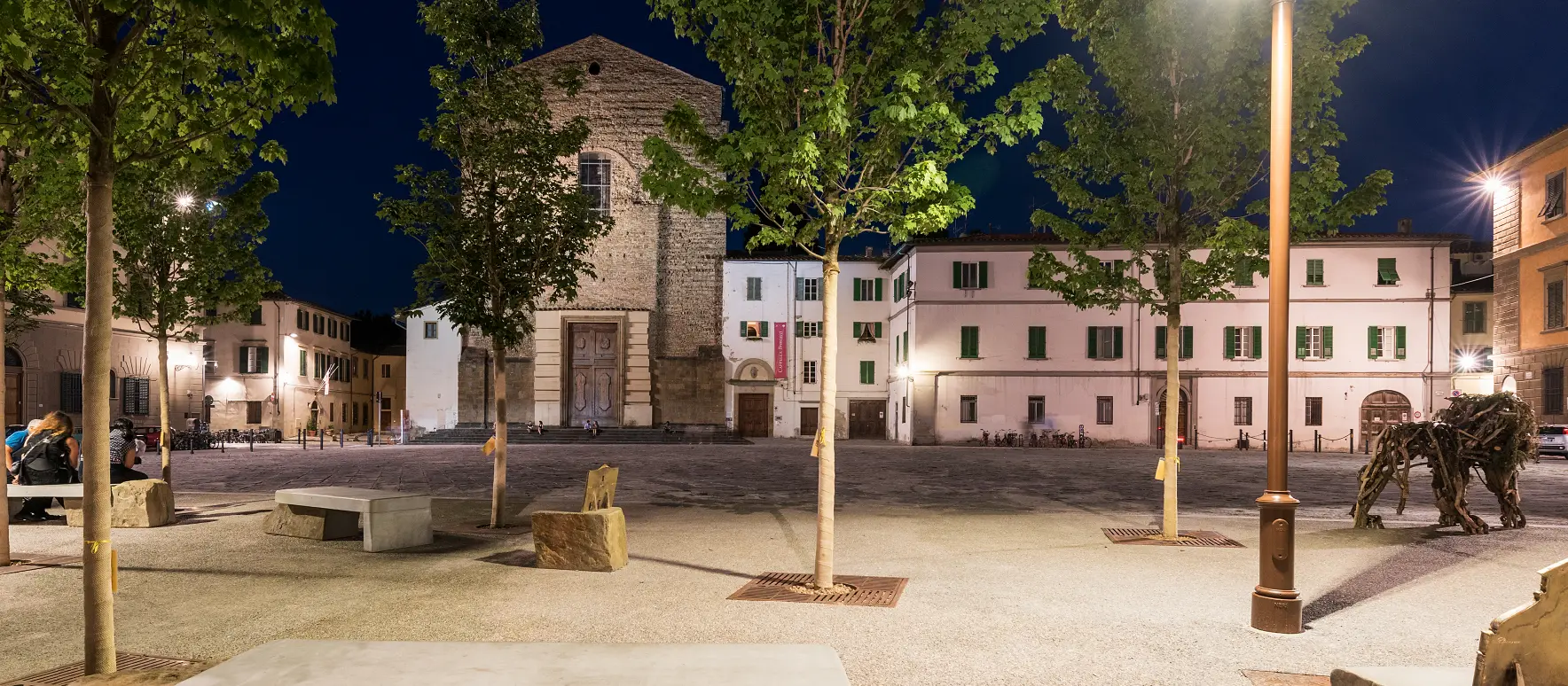
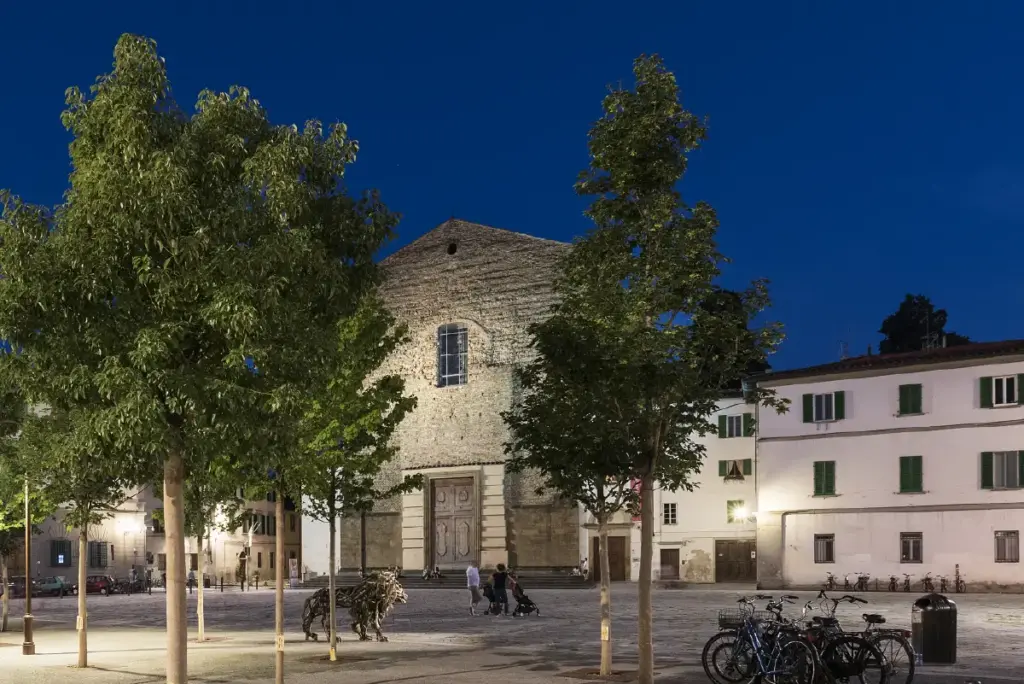
What is urban greenery?
Urban greenery includes all vegetated areas located within the boundaries of a city. These include public parks, gardens, tree-lined streets, flower beds, and lawns, as well as more modern solutions such as green roofs, green walls, and urban gardens. These are not isolated elements: together, they form a true network that runs throughout the city, improving environmental quality while providing social, economic, and environmental benefits for the people who live there.Urban greenery and peri-urban greenery
Alongside urban greenery, there is also peri-urban greenery, which refers to the belt of natural and agricultural areas surrounding the city. Connecting these two dimensions, for example through green corridors and tree-lined avenues, increases biodiversity and enhances the positive effects on the climate. A city that connects with the nature surrounding it is a healthier and more resilient city in the face of extreme weather events.Urban Greenery and Climate Change
Cities occupy only a small portion of the planet, yet they account for a large share of emissions and experience the effects of global warming more intensely. The reason is simple: concrete, asphalt, and dark surfaces absorb heat during the day and release it at night, while the lack of natural soil prevents rainwater from being absorbed. The result is hotter cities, more prone to flooding, and with more polluted air than the surrounding countryside. Urban greenery plays a key role here: it lowers temperatures, filters airborne particles, retains rainwater, and helps cities adapt to a changing climate.The Urban Heat Island
One of the best-known phenomena is the urban heat island: cities experience higher temperatures than the surrounding rural areas, with differences that in summer can exceed several degrees. The main cause is the replacement of vegetation with impermeable surfaces that accumulate heat. Increasing the number of trees and reducing concreted areas is the most direct way to cool cities and make summers more bearable, especially for the elderly and children, who are the most vulnerable to extreme heat.The benefits of urban greenery
The benefits of urban greenery are numerous and measurable. The first is cooling: trees and lawns reduce temperatures by providing shade and through the evaporation of water from their leaves. The second is improved air quality, as plants absorb carbon dioxide and trap fine particulate matter. Urban greenery also helps manage rainfall, protects biodiversity, and, last but not least, promotes psychological well-being: spending time in green spaces reduces stress and improves mood. Buildings benefit as well, since vegetation helps keep them cooler and reduces energy consumption for air conditioning.Cooling and lower temperatures
Trees and lawns act as natural air conditioners. The shade provided by tree canopies protects streets and squares from direct sunlight, while the water evaporating from the leaves cools the surrounding air. On a well tree-lined street, the perceived temperature can be significantly lower than on a road made entirely of asphalt, especially during the hottest hours of summer days.Water management and the sponge effect
Soil covered with grass and trees acts like a sponge: it absorbs rainwater instead of allowing it to run off over asphalt. This sponge effect reduces the risk of flooding during increasingly frequent heavy rainstorms and eases the burden on drainage systems. Every green surface, even the smallest one, helps protect the city from excess water and restore balance to the natural water cycle.Replacing concrete with grass: depaving
One of the most effective strategies for making cities cooler is called depaving: it means removing asphalt and concrete to restore the soil’s ability to support vegetation and absorb water. Replacing an impermeable surface with grass, trees, or permeable paving that allows water to filter through helps create shade, promote evaporation, and lower temperatures. Where more greenery and heat-reducing materials are introduced, it is possible to achieve cooling of even several degrees during the hottest hours of the day.Depaving and land consumption
Every piece of land freed from concrete is a step back from land consumption, meaning the loss of natural soil caused by urban development. Restoring permeable soil means recovering cooling, drainage, and carbon dioxide absorption capacity. It is an investment that benefits the city through improved health, safety, and quality of life.Permeable pavements and light-colored materials
It is not always possible to create new green areas. In these cases, it is possible to use permeable pavements and light-colored materials that reflect sunlight instead of absorbing it. These solutions complement vegetation and help reduce heat in the densest public spaces, where every degree lower makes a difference.Urban greenery solutions for more livable cities
Cities have many ways to increase their green spaces. Urban forestry involves planting new trees and creating parks; green corridors connect vegetated areas with one another; green roofs and green walls bring nature even where ground space is limited; rain gardens collect and filter rainwater. Planned together and with a long-term vision, these solutions transform sustainable cities into cooler, safer, and more pleasant places to live. The message is clear: making room for grass and trees is not a luxury, but a necessity to live alongside a changing climate.Frequently asked questions about urban greenery
What is urban greenery? Urban greenery is the collection of green areas found in cities: parks, gardens, trees along streets, flower beds, lawns, green roofs, and urban gardens. It improves quality of life and helps cities address climate change. How does urban greenery reduce heat in cities? Trees and lawns lower temperatures through shade and water evaporation, and by replacing concrete and asphalt they reduce the urban heat island. More vegetation and permeable surfaces can cool the air by several degrees even during the hottest hours. What does depaving mean? Depaving is the removal of asphalt and concrete to restore soil for vegetation and water absorption. It reduces heat islands, limits flooding, and recovers natural land within cities.Urban greenery management in Florence and Tuscany: who to turn to for an effective strategy
The increase in temperatures, urban heat islands, and the growing need to restore soil permeability require careful planning, capable of interpreting each context according to its specific characteristics. Sun exposure, soil conditions, water availability, plant selection, and continuity of maintenance are all elements that influence the quality and longevity of an intervention.
Urban greenery, in fact, truly works when it is not considered as a simple decorative element, but as part of a broader system: a tool capable of creating shade, promoting water absorption, improving the comfort of spaces, and contributing to the well-being of those who experience them.
From this perspective, green design requires different skills and an integrated approach, combining landscape sensitivity, botanical knowledge, and attention to long-term sustainability. Even in private contexts, terraces, gardens, green roofs, or more complex outdoor areas can contribute to this change, becoming cooler, more balanced spaces that are consistent with contemporary climate needs.
For Dimensione Verde, designing green spaces means starting with listening to the location and creating solutions capable of lasting, adapting, and improving the quality of the environments in which they are placed. Because greenery, when carefully planned, does not simply beautify: it transforms the way we experience space.
| Topic | Key points |
|---|---|
| What is urban greenery | Parks, gardens, trees, lawns, green roofs, and urban gardens that form a vegetated network within the city. |
| Urban greenery and climate change | It lowers temperatures, improves air quality, and makes cities more resilient to heat and heavy rainfall. |
| Urban heat island | Cities are warmer than rural areas because concrete and asphalt store heat; more greenery helps cool them down. |
| Benefits of urban greenery | Cooling, cleaner air, rainwater management, biodiversity, psychological well-being, and energy savings. |
| Sponge effect | Green soil absorbs rainfall and reduces the risk of flooding during intense storms. |
| Depaving | Removing concrete and asphalt restores soil for vegetation, reduces heat, and helps counter land consumption. |
| Solutions for livable cities | Urban forestry, green corridors, green roofs, green walls, and rain gardens. |