


Summer irrigation: how to properly water your garden, lawn, and plants during the hot season
25 Maggio 2026
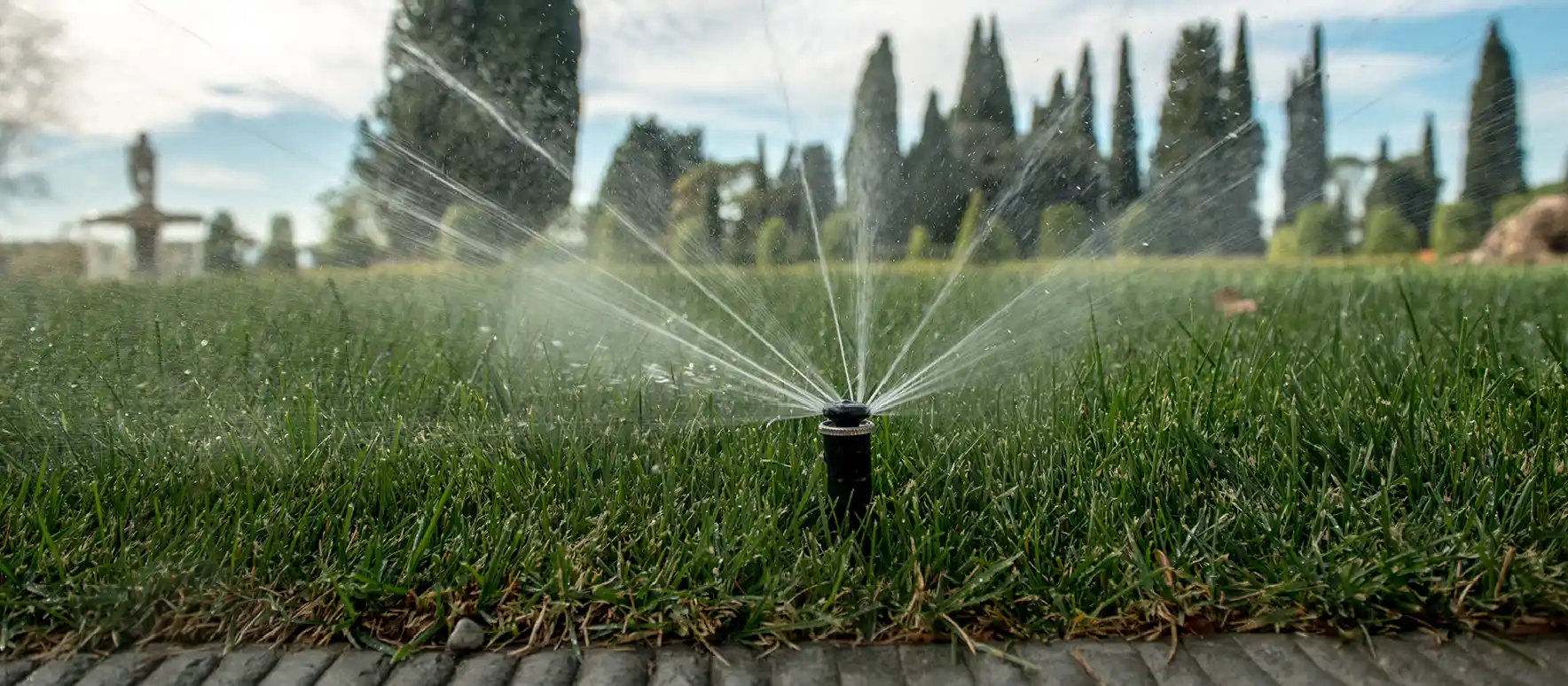
Summer is the most challenging period for those who take care of a garden, a vegetable patch, or simply some ornamental plants. High temperatures, intense sun, and reduced rainfall can put any green space to the test. In this context, proper summer irrigation is one of the most important aspects of keeping plants healthy, promoting balanced growth, and preventing water stress. Many people think that irrigating simply means providing water when the soil appears dry. In reality, effective water management requires attention, knowledge of the needs of different plant species, and the ability to adapt interventions to climatic conditions.
Why Summer Irrigation Is Essential for Plant Health
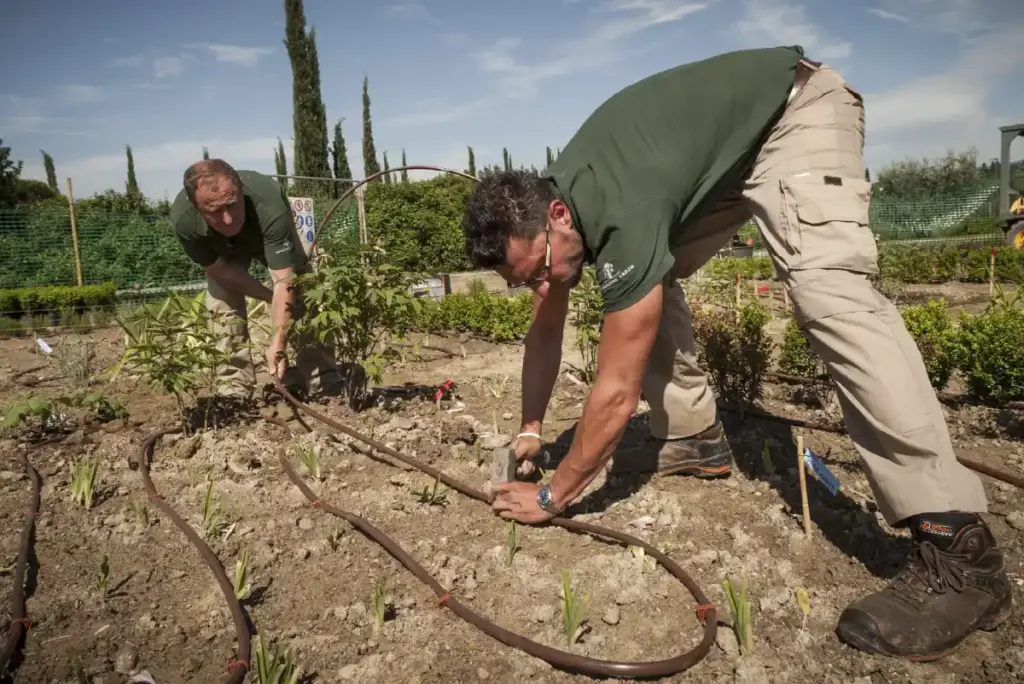
During the summer months, soil tends to lose moisture rapidly due to evaporation. High temperatures accelerate this process, while wind and direct sunlight contribute to making the soil increasingly dry. When a plant does not receive enough water, it enters a state of water stress. The first signs are often easy to recognize: wilted leaves, dry edges, slowed growth, and a loss of the foliage’s natural vibrancy. If the situation persists, the plant may stop producing flowers and fruits or, in more severe cases, suffer permanent damage. Proper garden irrigation during summer, on the other hand, helps maintain active photosynthesis, encourages root development, and improves plants’ resistance to heat waves.When to Water in Summer: The Best Times
One of the most common mistakes is watering during the hottest hours of the day. Under these conditions, much of the water evaporates before it can even reach the roots, significantly reducing the effectiveness of irrigation. The best time for summer irrigation is generally early in the morning, preferably between sunrise and the first hours of the day. At this time, temperatures are lower and the soil can absorb water gradually. Evening watering can also be a valid alternative, especially during particularly hot periods. However, moisture that remains overnight may encourage the development of certain fungal diseases, particularly in more sensitive plants. By contrast, watering during the middle of the day results in water waste and can cause thermal shock to more delicate plants.How Much Water Is Needed During Summer Irrigation
A very common question concerns the amount of water required to keep a garden healthy during the summer. There is no universal answer, as water requirements vary depending on several factors. Soil characteristics greatly affect its ability to retain moisture. Sandy soils tend to dry out quickly, while clay soils retain water for longer periods. The type of vegetation is also a determining factor. A lawn has different watering needs compared to a vegetable garden or a flowering border. In general, it is preferable to carry out deep watering rather than frequent, shallow irrigation. Watering the soil thoroughly encourages roots to grow deeper into the lower layers of the ground, making plants more self-sufficient and more resistant to drought.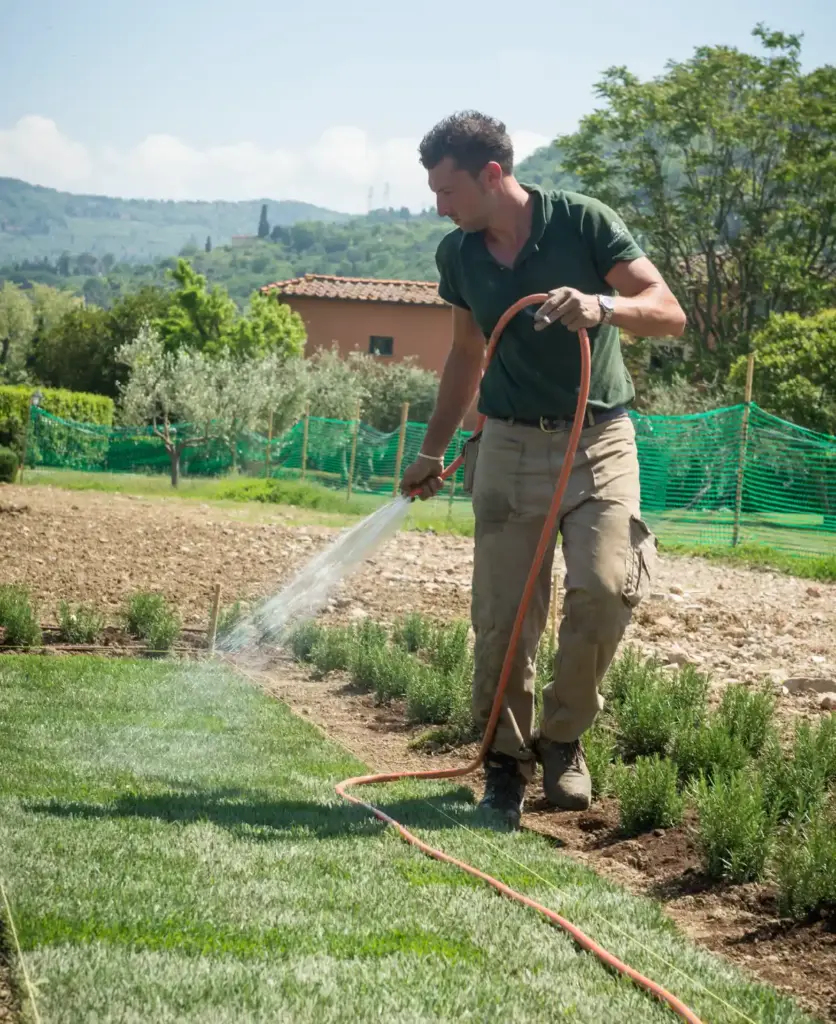
Most Effective Summer Irrigation Techniques
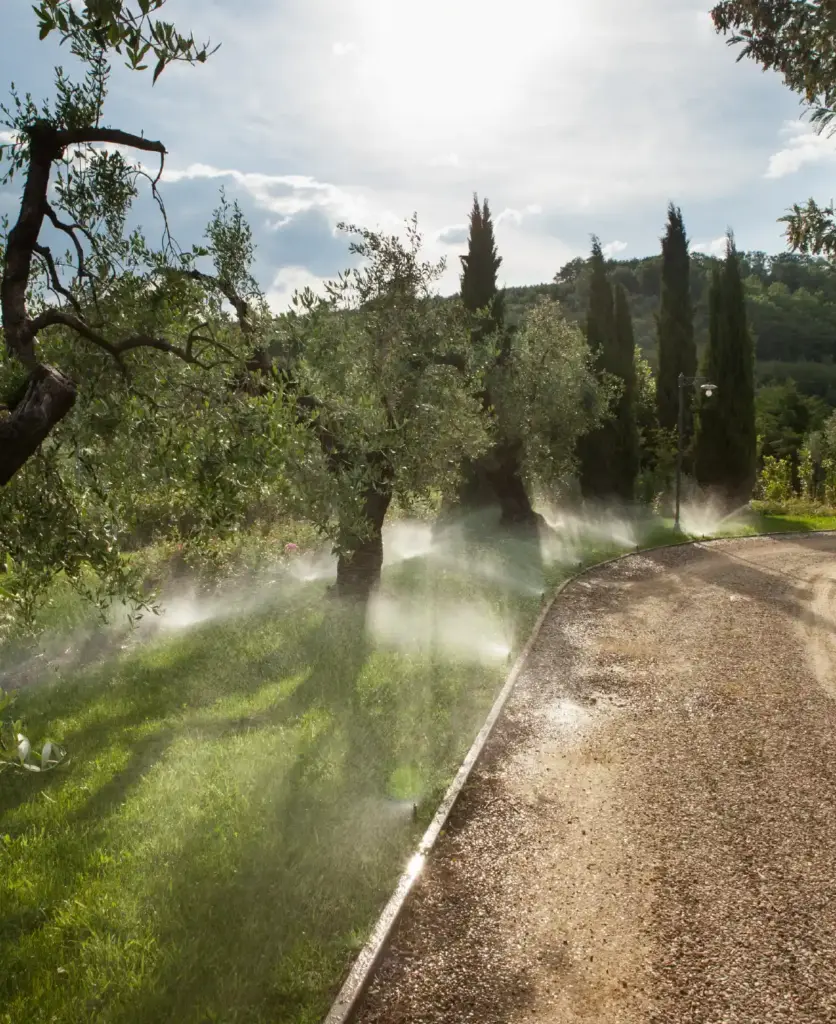
The choice of irrigation system can make a significant difference in terms of both results and water consumption. Drip Irrigation Drip irrigation is considered one of the most efficient solutions. Water is delivered slowly and directly to the root zone, minimizing evaporation and reducing waste. This technique is particularly suitable for vegetable gardens, flower beds, hedges, and ornamental shrubs. Sprinkler Irrigation Sprinkler systems are widely used, especially for lawns. They allow large areas to be covered in a relatively short time, but they are less efficient during very hot or windy days. Manual Irrigation Using a hose or watering can remains a practical solution for small gardens and terraces. However, it requires greater attention and consistent presence to ensure an even distribution of water. Automatic Irrigation Automatic systems allow watering schedules and durations to be programmed, ensuring more precise and consistent water management even during periods of absence.How to Save Water During Summer Irrigation
Growing attention to sustainability makes it essential to adopt strategies that reduce water consumption without compromising plant health. One of the most effective techniques is mulching. Covering the soil with organic or mineral materials reduces evaporation, keeps the soil cool, and limits weed growth. Choosing drought-resistant plants can also significantly contribute to water savings. Many Mediterranean species, for example, can tolerate long periods of intense heat with minimal water requirements. Another interesting solution is harvesting rainwater through dedicated collection systems. This practice helps reduce the use of drinking water and promotes more sustainable resource management. Finally, it is important to regularly inspect irrigation systems to identify any leaks or malfunctions that could cause unnecessary water waste.Summer Lawn Irrigation
Lawns are among the areas that require the most attention during the hot season. High temperatures and prolonged sun exposure can cause yellowing and thinning of the turf. Lawn irrigation in summer should be carried out less frequently but more thoroughly, encouraging the development of deep roots. By contrast, shallow daily watering tends to create a weak root system that is more vulnerable to environmental stress. To keep a lawn green and uniform, it is also advisable to avoid mowing too short during the summer months. Slightly taller grass helps reduce soil moisture evaporation.Summer Irrigation for Vegetable Gardens
Vegetable gardens require particularly careful water management, as many summer crops are highly influenced by water availability. Tomatoes, zucchini, peppers, and eggplants need regular irrigation, especially during the growth and fruit-ripening stages. An important aspect is watering the soil without excessively wetting the foliage. This simple precaution helps reduce the risk of fungal diseases and improves irrigation efficiency. The use of drip irrigation systems is often the best solution for ensuring a consistent and controlled water supply to vegetable crops.Mistakes to Avoid in Summer Irrigation
Even with the best intentions, mistakes can be made that compromise irrigation effectiveness. One of the most common is watering too frequently. Excess water can cause waterlogging, root suffocation, and increased susceptibility to disease. Another mistake is wetting only the soil surface. This practice encourages the development of shallow roots and makes plants more dependent on irrigation. It is also important to avoid excessively strong water jets, which can compact the soil or damage more delicate plants. Finally, weather conditions should never be overlooked. Temperature, humidity, and wind significantly influence water requirements and require ongoing adjustments in irrigation management.How to Tell if Summer Irrigation Is Effective
Assessing irrigation effectiveness is simpler than it may seem. Properly irrigated soil remains cool and slightly moist several centimeters below the surface. Well-hydrated plants display firm leaves, steady growth, and a good ability to withstand the hottest days. Conversely, yellowing leaves, stunted growth, or persistent waterlogging may indicate poor water management. Regularly monitoring the soil and observing plant behavior allows timely adjustments whenever necessary.Summer Irrigation and Climate Change
In recent years, summers have become increasingly longer and characterized by prolonged drought periods. This situation makes it essential to adopt sustainable irrigation practices and a more conscious approach to water resource management. The goal should not simply be to keep a garden looking attractive, but also to ensure the responsible use of available water resources. Efficient systems, continuous monitoring, and water-saving techniques are now indispensable tools for addressing the challenges posed by climate change. Proper summer irrigation does not simply mean watering more; it means providing plants with exactly the amount of water they need, at the right time and in the most effective way possible.Summer Irrigation in Florence and Tuscany: Who to Trust for Effective Garden Management
When it comes to summer garden irrigation, relying on landscaping professionals can make a real difference. High temperatures, increasingly frequent drought periods, and the specific characteristics of each outdoor space require careful water management and customized solutions capable of ensuring plant health without wasting water. A professional specialized in landscape design and maintenance does more than simply install an irrigation system. They carefully assess factors such as sun exposure, soil type, the needs of different plant species, and the optimal distribution of water. The goal is to create an efficient system that keeps the garden healthy and thriving even during the hottest months of the year. In this context, Atelier Dimensione Verde is a trusted reference point in Florence and throughout Tuscany for those looking to improve water management in their outdoor spaces. Thanks to a personalized approach and a deep understanding of the landscape and plant requirements, the company can develop tailored irrigation solutions designed for every specific environment. Whether it is a private garden, a terrace, or a more complex green area, relying on a specialized company such as Atelier Dimensione Verde means choosing expertise, attention to detail, and sustainable water management that enhances greenery and preserves its beauty over time.| Topic | Main Recommendation | Benefit |
|---|---|---|
| Summer Irrigation | Provide adequate water during hot weather | Prevention of water stress |
| Watering Time | Early morning | Less evaporation and better absorption |
| Amount of Water | Deep and less frequent watering | Stronger and more resilient roots |
| Drip Irrigation | Targeted water distribution | Reduced water waste |
| Sprinkler Irrigation | Ideal for large areas and lawns | Uniform coverage |
| Mulching | Cover the soil with organic material | Reduced evaporation |
| Lawn | Thorough and less frequent watering | Improved root development |
| Vegetable Garden | Water the soil without wetting the leaves | Lower risk of fungal diseases |
| Mistakes to Avoid | Overwatering and shallow irrigation | Healthier plants and balanced soil |
| Water Conservation | Use efficient systems and rainwater harvesting | Greater environmental sustainability |
| Climate Change | Adapt irrigation to weather conditions | More effective resource management |