


Dimensione Verde projects
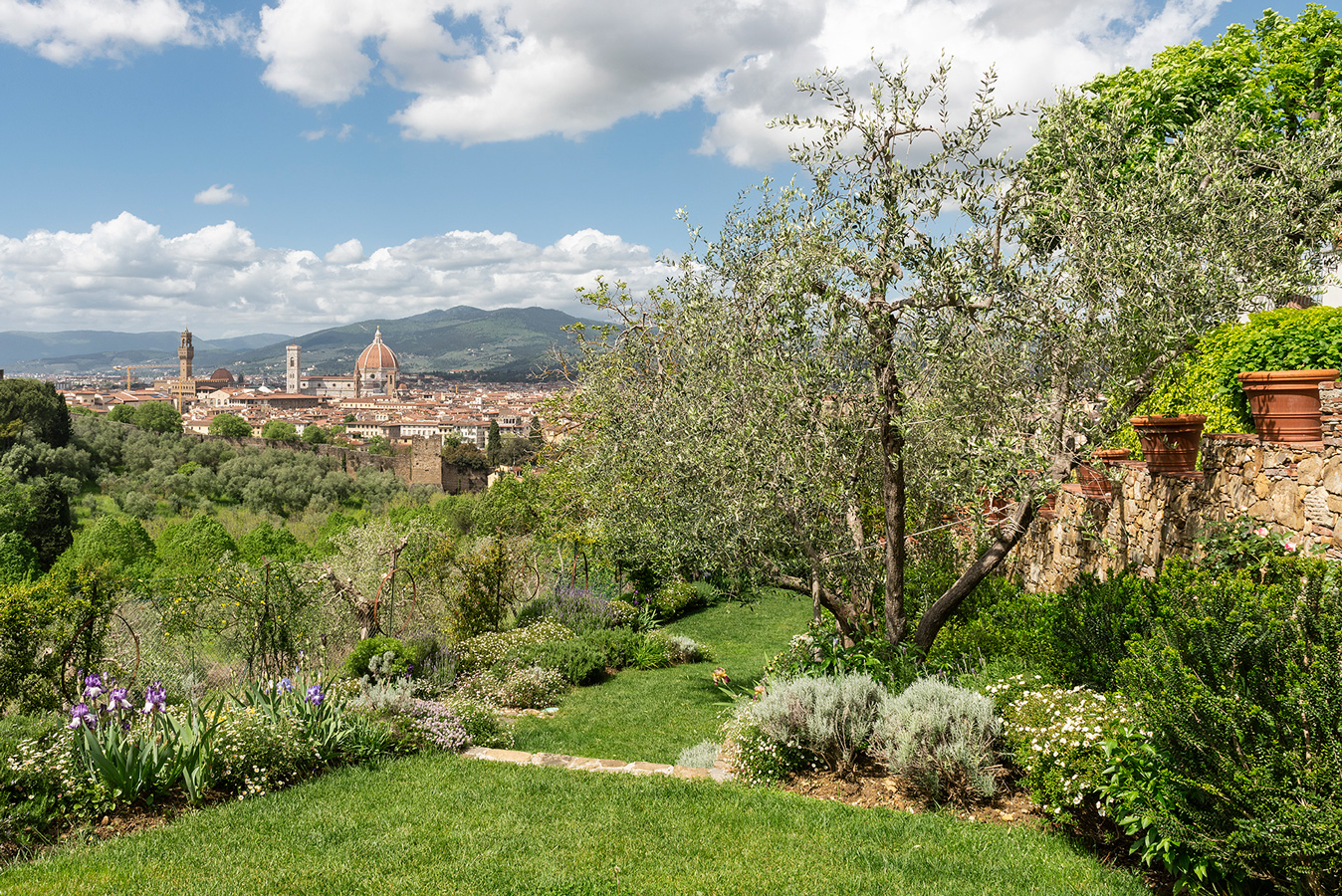
Private Residence in Florence
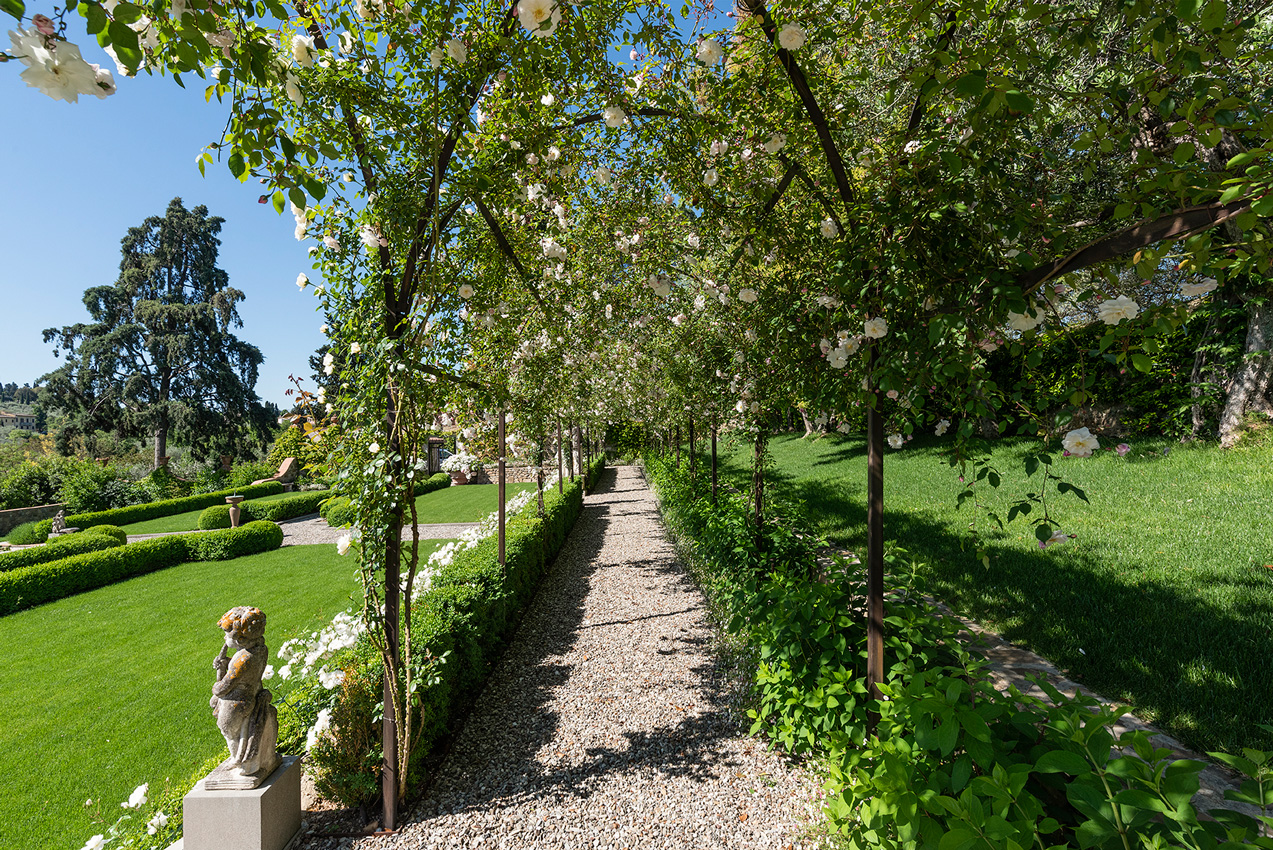
Private Residence in Florence
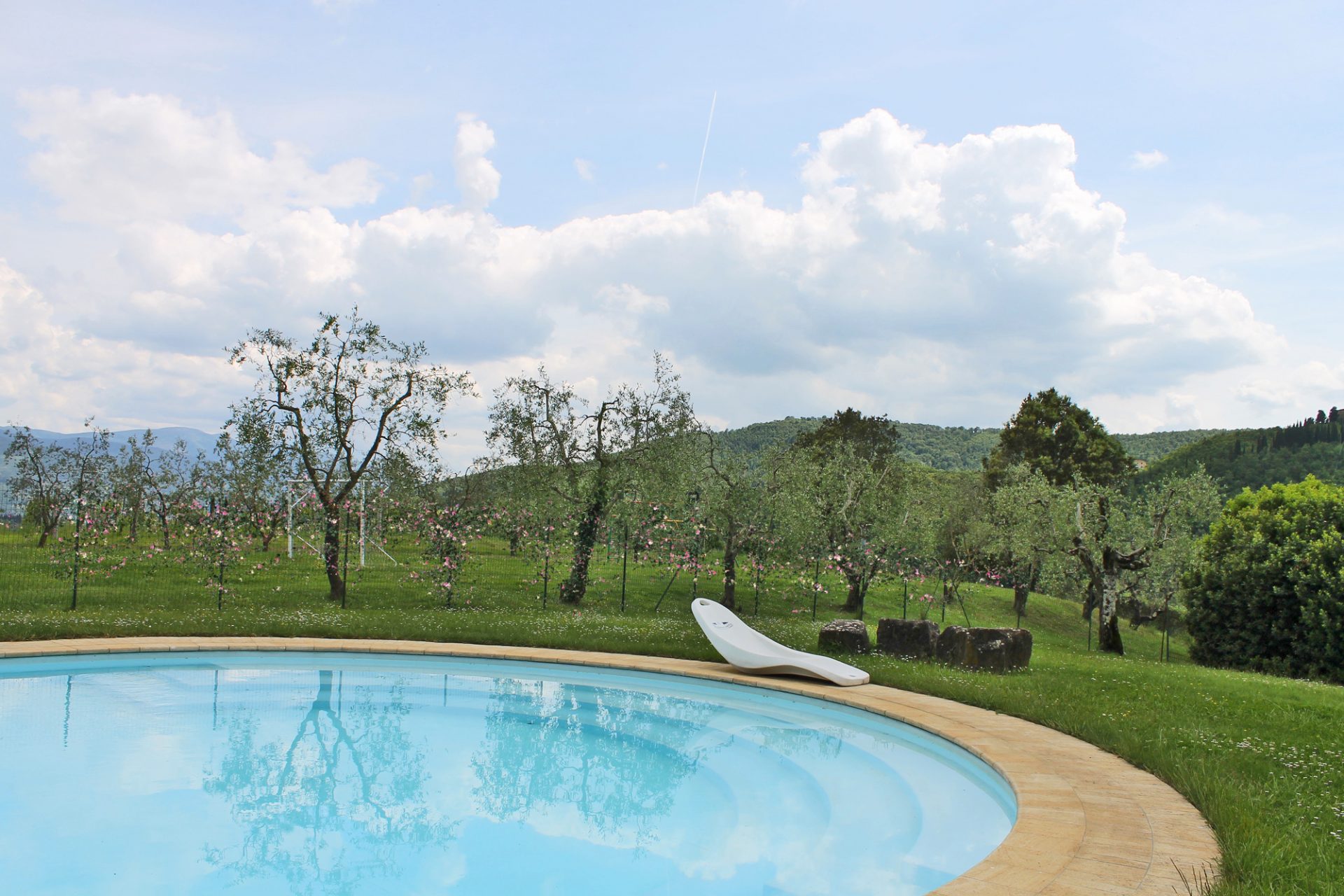
Petroio
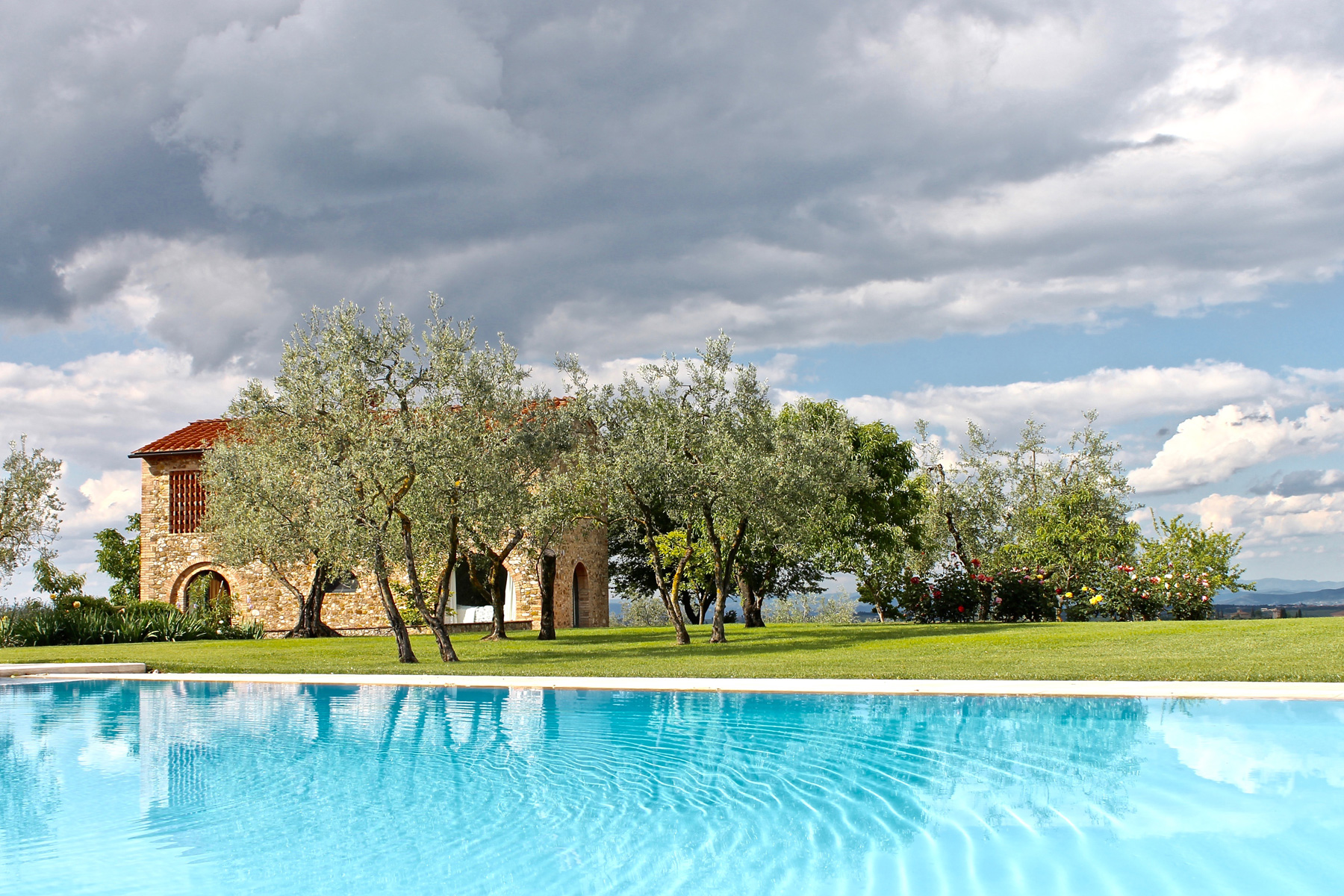
Tavarnelle
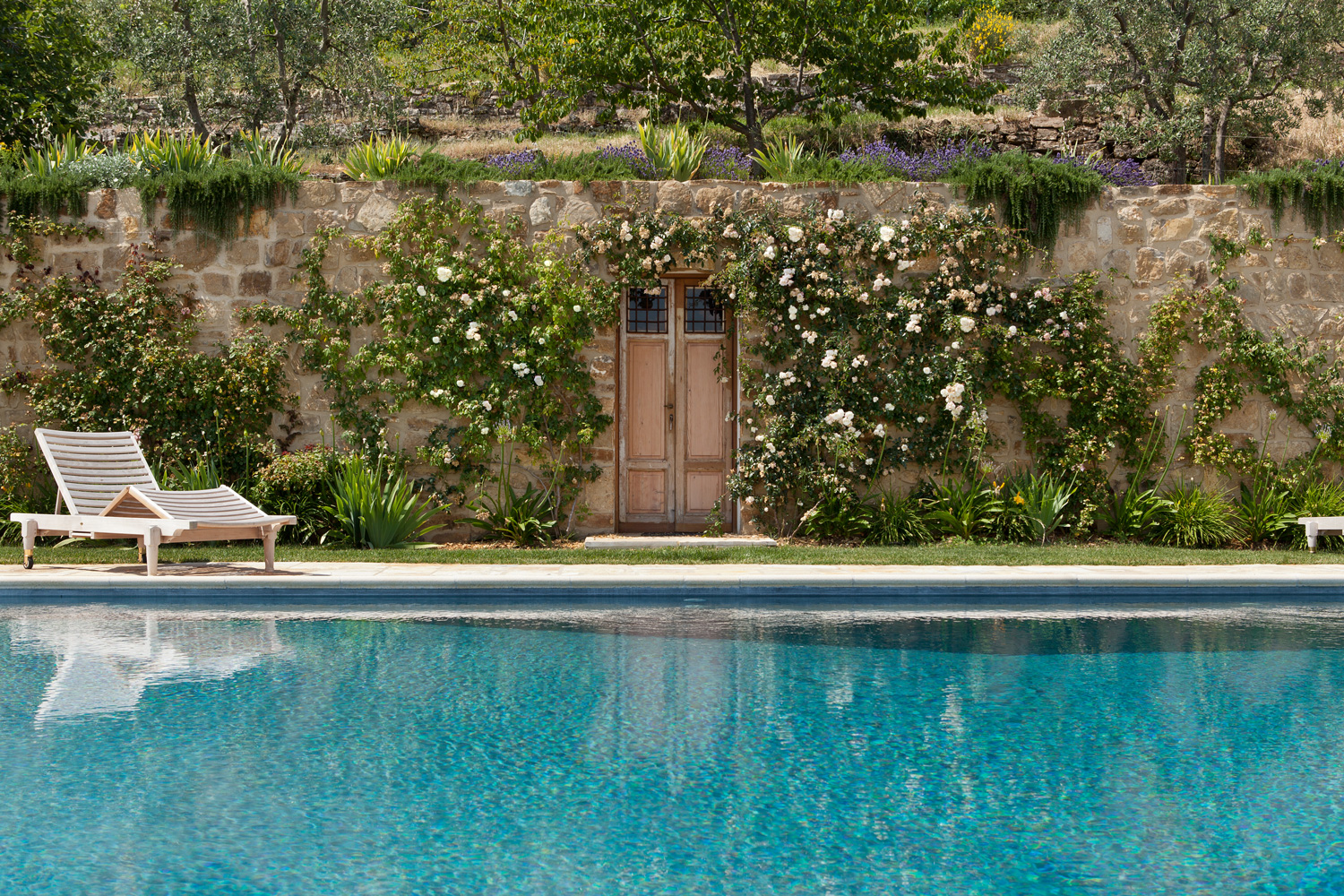
Montefioralle
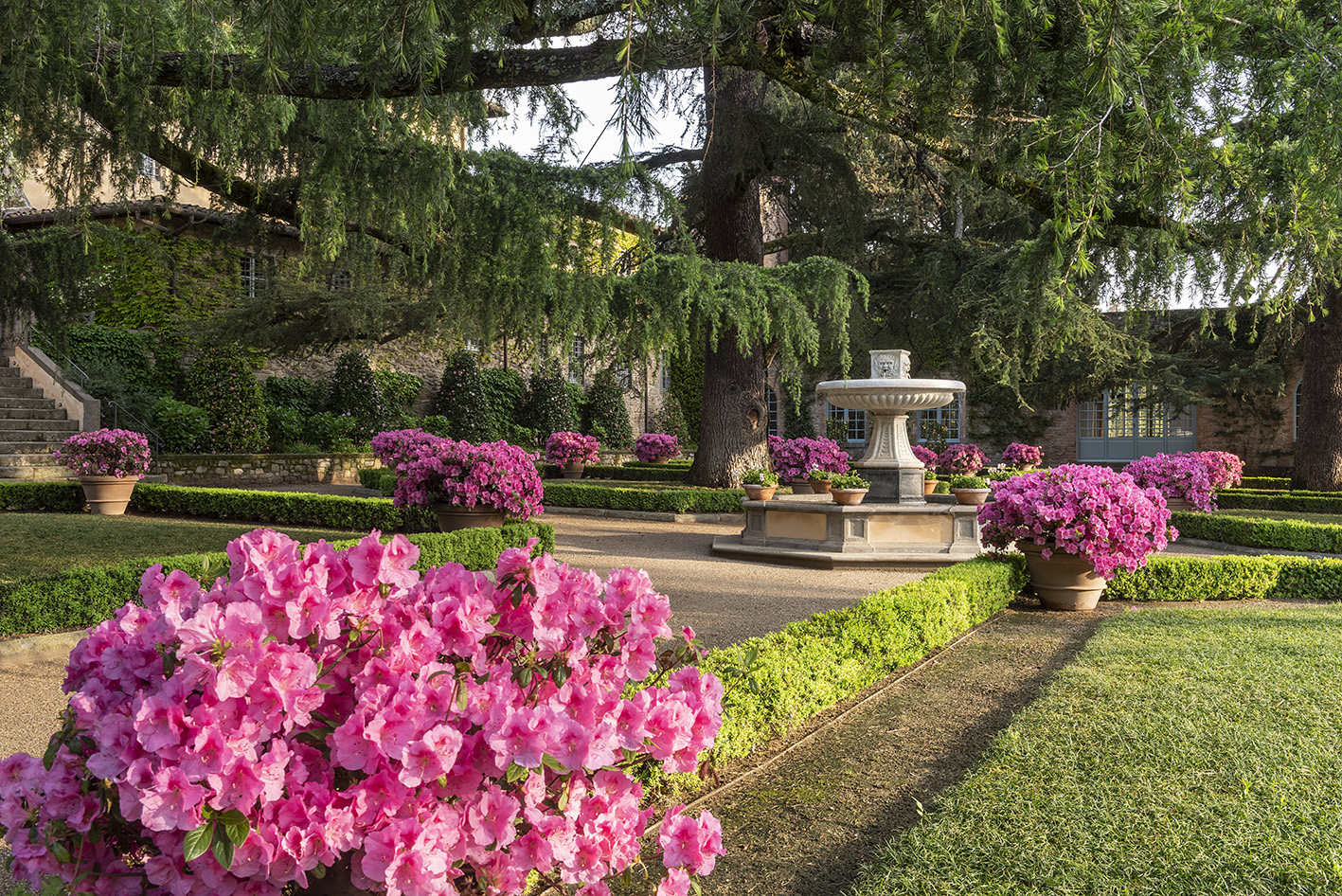
Private Residence in the Florentine Hills
Maintenance of Green Areas in Florence and Tuscany: Professional Care for Outdoor Spaces
The maintenance of green areas consists of a set of planned and coordinated interventions aimed at preserving the health, safety, and aesthetic value of planted spaces. Whether residential gardens, public parks, condominium areas, or commercial spaces, every green environment requires consistent care to fully express its decorative and functional potential.
An effective green maintenance plan takes into account the specific characteristics of each area: type of vegetation present, sun exposure, soil characteristics, irrigation system, and frequency of use. The scheduling of interventions follows the natural rhythm of the seasons, adapting to the physiological needs of plants and local climate conditions.
Routine maintenance includes regular operations such as lawn mowing, flower bed cleaning, weed removal, seasonal fertilization, plant health monitoring, and irrigation adjustment. These interventions, although seemingly simple, require specific technical expertise to be carried out correctly and at the optimal time.
Extraordinary maintenance includes more complex and less frequent operations: pruning of trees and hedges, renewal of borders and flower beds, replacement of compromised specimens, restoration of damaged lawns, installation or overhaul of automatic irrigation systems. These interventions require preliminary planning, professional equipment, and specialized expertise.
Lawn care is a fundamental component of maintenance. Grass requires regular mowing with frequency varying by season: weekly in spring during vigorous growth, less frequent in summer and autumn.
Irrigation management requires particular attention to the water needs of different plant species and weather conditions. A well-designed and properly programmed automatic irrigation system optimizes water consumption, distributes watering during the coolest hours of the day, and differentiates supply according to zones and vegetation types.
Scheduled fertilization provides plants with the nutrients necessary for growth, flowering, and resistance to stress. Maintenance pruning of trees, shrubs, and hedges preserves the desired shape, controls size, stimulates abundant flowering, and removes dry or damaged parts.
Cleaning and upkeep ensure usability and a tidy appearance of green spaces. Leaf collection, removal of fallen branches, emptying bins, cleaning pathways and paved areas, and checking furnishings keep the area welcoming and safe. Particular attention should be given to managing autumn leaves which, if left on lawns, can suffocate the turf.
Green Maintenance Companies
Companies specialized in green maintenance, such as Atelier Dimensione Verde, offer comprehensive services managed by trained and qualified staff. Relying on industry professionals ensures continuity of service, up-to-date technical expertise, certified professional equipment, and adequate insurance coverage.
A scheduled maintenance contract defines the frequency, type, and methods of interventions throughout the year. This solution offers significant advantages: predictable and evenly distributed costs over time, regular presence without the need for reminders, prompt action when issues arise, and clear responsibility for the overall management of the area.
Landscape Design
Landscape design integrated with maintenance creates functional, beautiful, and sustainable green spaces over time. A well-conceived project simplifies future management, reduces maintenance costs, and optimizes resource consumption.
The selection of plant species represents the foundation of a manageable garden. Favoring plants suited to the local climate, resistant to drought or cold according to the area’s characteristics, with moderate water and nutrient requirements, drastically reduces the interventions needed. Preferring native or naturalized species promotes biodiversity, attracts beneficial wildlife, and minimizes plant health issues.
Functional design organizes spaces with maintainability in mind: pathways wide enough for equipment access, defined borders separating lawns from flower beds to facilitate mowing, grouping plants with similar needs, and strategic positioning of water and electrical outlets. These design measures translate into tangible savings of time and resources.
Environmental sustainability guides contemporary design choices: reducing lawn surfaces by replacing them with low-maintenance ground covers, using organic mulches, selecting robust perennial plants, creating microhabitats for pollinating insects, and naturally managing rainwater through collection and infiltration systems.
Landscape lighting enhances green spaces in the evening hours, creates evocative atmospheres, and increases perceived safety. Low-consumption LED systems, programmable timers, and twilight sensors optimize energy efficiency while maintaining functionality and aesthetic impact.
Furnishing elements complete the design: seating, pergolas, planters, and decorative elements must harmonize with the overall style and require maintenance compatible with the management of the surrounding green area. Durable materials resistant to weather conditions reduce restoration interventions.