


Green Spaces for Hospitality Facilities: How Outdoor Areas Enhance the Guest Experience
August 5, 2026
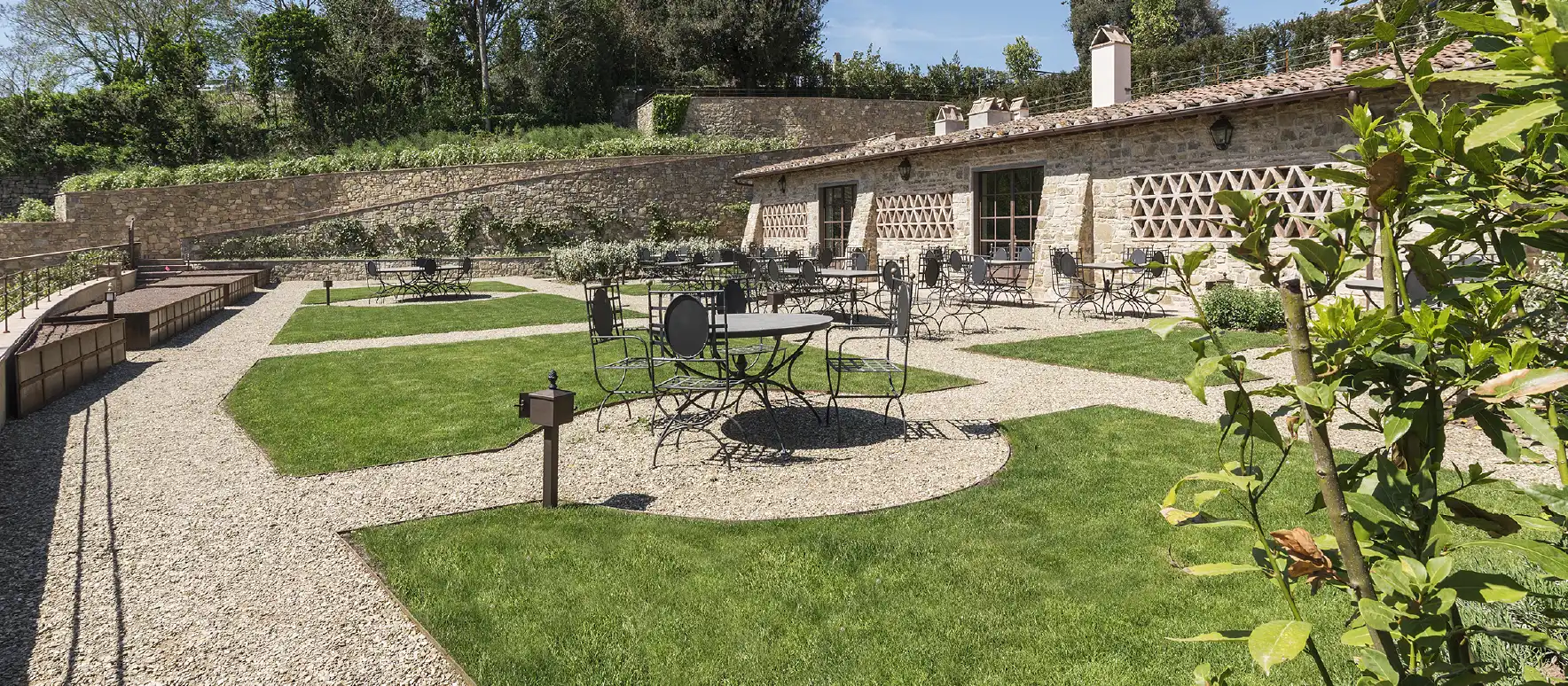
In the hospitality industry, first impressions matter more than anything else, and they often begin with the outdoor spaces. A well-maintained green area welcomes guests, conveys quality, and creates an atmosphere that enhances the entire stay. For this reason, green spaces for hospitality facilities are not merely decorative elements, but a strategic asset capable of influencing guests’ perceptions, strengthening the property’s reputation, and increasing its commercial value.
The design and management of green spaces for hospitality facilities require a specialized approach that is very different from that of a private garden. It is essential to consider guest flow, the various functional areas, maintenance requirements, and the image the property wishes to convey. Whether it is a large resort, a farmhouse accommodation, or a small B&B, a thoughtfully designed green space becomes a real competitive advantage, making every stay more enjoyable and memorable.
Why Green Spaces Are Valuable for Hospitality Facilities
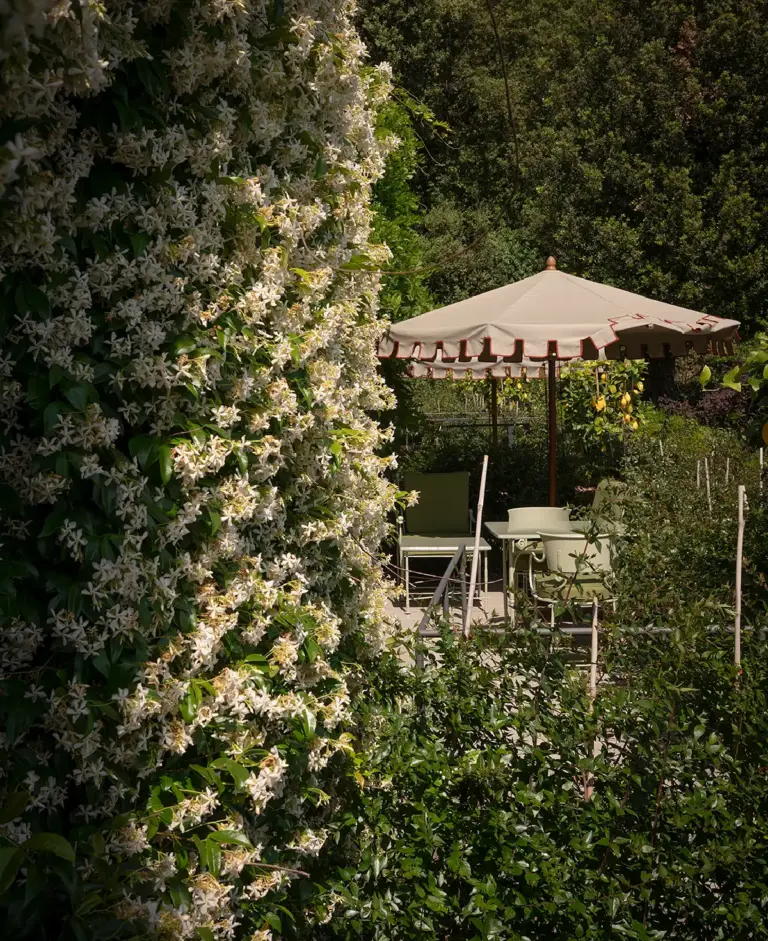
Green spaces in a hospitality facility have a direct impact on the guest experience and the property’s overall image. A well-maintained outdoor area creates a welcoming atmosphere from the moment guests arrive, provides places to relax, and often becomes the focal point of the photos guests share, generating organic visibility and word-of-mouth promotion. From a commercial perspective, green spaces for hospitality facilities increase perceived value and support a higher market positioning. Well-designed outdoor areas also expand the range of services a property can offer, making it possible to host outdoor breakfasts, aperitifs, events, or wellness experiences. Investing in green spaces therefore means improving guest satisfaction while also creating new opportunities for revenue and differentiation from competitors.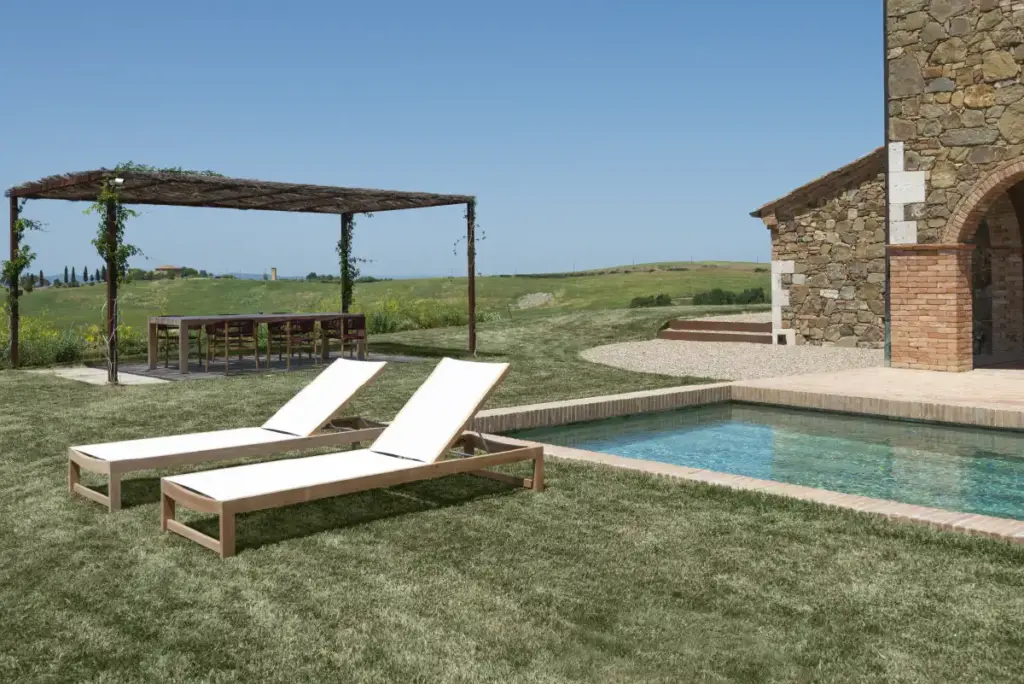
The Different Needs of Hospitality Facilities
Each type of facility has specific needs that the landscape design must interpret and address. Hotels and Resorts In large-scale facilities, green spaces must manage significant guest flows and enhance different areas: entrances, pools, event spaces, and relaxation areas. Here, the design focuses on creating a refined scenic effect combined with practical management solutions. Farmhouse Accommodations In farmhouse accommodations, green spaces tell the story of the place’s identity and its connection with the surrounding territory. Native plants, vegetable gardens, orchards, and natural areas strengthen the authenticity of the experience, which is highly valued by this type of guest. B&Bs and Small Facilities In smaller facilities, even a limited green area can make a significant difference. A well-maintained courtyard, a flower-filled terrace, or a small welcoming garden convey care and quality, improving the guest experience and reviews.Key Elements of Green Spaces for Hospitality Facilities
An effective project is based on the balance between different elements, each with a specific function. Welcome Areas Green spaces at the entrance define the first impression. Well-organized and carefully maintained compositions welcome guests and anticipate the style of the facility, immediately conveying a sense of quality. Relaxation Areas Areas dedicated to rest are the heart of the outdoor experience. Vegetation, shade solutions, and well-distributed spaces provide comfort and privacy, encouraging guests to spend more time outdoors. Event and Dining Areas Many facilities use green spaces for ceremonies, receptions, or outdoor dining services. The design includes flexible spaces, convenient pathways, and a scenic green backdrop that enhances every occasion. Lighting A well-designed lighting system extends the usability of outdoor spaces after sunset. Soft lighting and light points along pathways create atmosphere while ensuring safety and comfort for guests. Sustainability Choosing resilient plants, optimizing irrigation, and prioritizing low-maintenance solutions reduces management costs and supports an environmentally conscious image, which is increasingly appreciated by guests.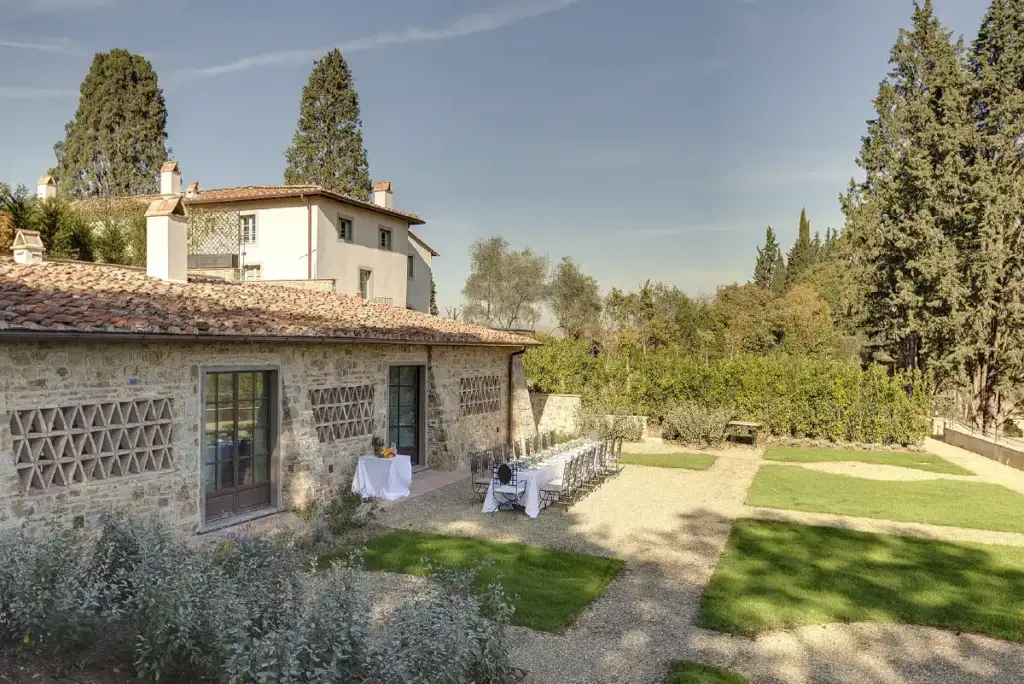
Green Spaces and Sustainability in Hospitality Facilities
Sustainability is now a central element in green spaces for hospitality facilities. A garden designed with an ecological approach uses low-water plants, efficient irrigation systems, and durable materials, reducing consumption and waste. Green spaces also help improve the microclimate by providing natural shade and freshness in outdoor areas. For a hospitality facility, communicating environmental awareness is also a powerful marketing tool: a growing number of guests choose accommodations that are committed to sustainability. Investing in eco-friendly green spaces therefore means combining environmental benefits with a concrete advantage in terms of image and competitiveness.How to Design Green Spaces for a Hospitality Facility Step by Step
Anyone approaching green space design for a hospitality facility must follow an organized process.- The process begins with an analysis of the facility and its surroundings, evaluating spaces, guest flows, climate, and exposure.
- This is followed by the definition of the concept, establishing the style and function of the different areas in line with the facility’s identity.
- The next step is the development of the detailed project, including technical plans, plant selection, and the definition of irrigation and lighting systems.
- The final phase is implementation, coordinated to ensure that the result is consistent with the image and operational needs of the facility.
Green Space Maintenance in Hospitality Facilities
Well-maintained green spaces are an investment that must be consistently preserved over time. Green space maintenance in hospitality facilities includes lawn care, pruning, irrigation management, and the maintenance of seasonal blooms, ensuring that outdoor areas always appear impeccable to guests. Designing green spaces from the beginning with efficient management in mind, using resilient plants and automated systems, makes it possible to reduce operational costs and guarantee aesthetic continuity throughout the year, an essential element for a facility that is always ready to welcome guests.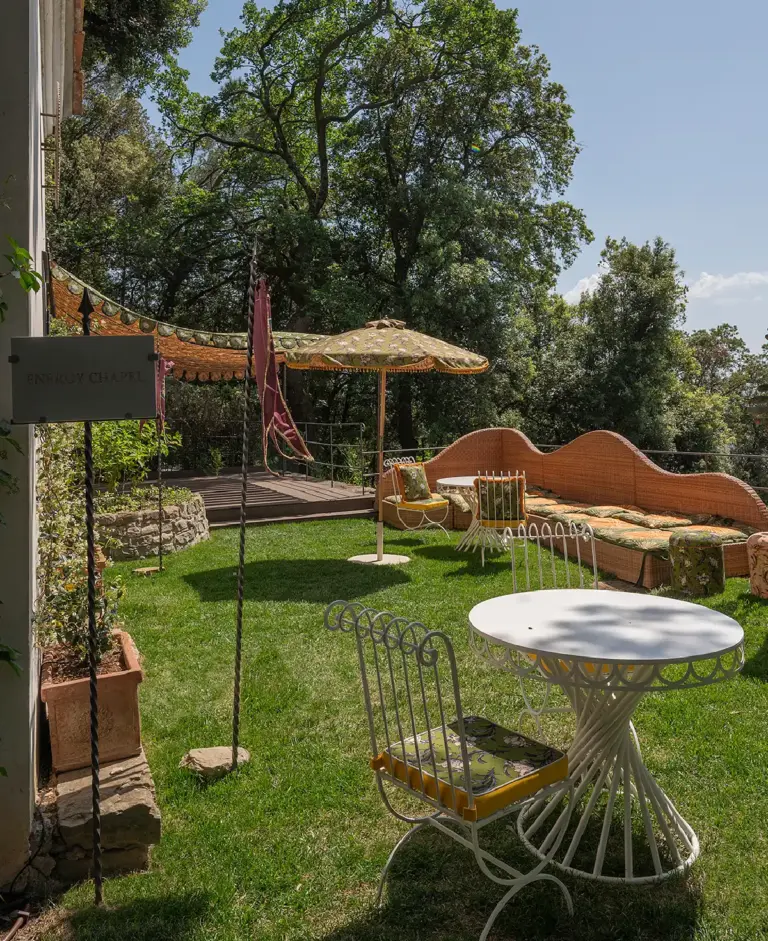
Landscape as Part of the Guest Experience
In hospitality facilities, green spaces are not just an aesthetic setting, but an integral part of the hospitality experience. They accompany guests upon arrival, define the spaces to be enjoyed, and contribute to creating a recognizable identity, in harmony with the architecture and the surrounding landscape. For Dimensione Verde, designing these spaces means interpreting the character of the facility and the needs of those who will experience them, creating a balance between beauty, functionality, and long-term management. A well-designed landscape grows together with the facility, strengthens its atmosphere, and makes the welcome experience even more authentic.Frequently Asked Questions
Why are green spaces important for a hospitality facility? Green spaces improve the guest experience, increase the perceived value of the facility, and create areas that can be used for relaxation, events, and dining, contributing to the reputation and attractiveness of the hospitality facility. How are green spaces for a hospitality facility designed? Green spaces are designed by starting with an analysis of the areas and guest flows, then defining the style, functional areas, plants, and systems, through to the implementation phase based on a project that is consistent with the facility’s identity. How much do green spaces for a hospitality facility cost? The cost depends on the size, complexity, elements such as pools and lighting, and the materials selected; a detailed quotation allows the investment to be planned, even across multiple phases.Article Summary Table
| Aspect | Details |
|---|---|
| Role of green spaces | Strategic resource for image, experience, and commercial value |
| Types of facilities | Hotels and resorts, farmhouse accommodations, B&Bs, and small facilities |
| Key elements | Welcome areas, relaxation areas, event spaces, lighting, sustainability |
| Sustainability | Low-water plants, efficient irrigation, marketing advantage |
| Design phases | Facility analysis, concept, detailed project, implementation |
| Maintenance | Lawn care, pruning, irrigation, seasonal bloom management |
| Ideal for | Hospitality facilities that want to enhance their guest experience and stand out |