


Garden designer: what they do, when they are needed and how a tailor-made project is created
4 August 2026
What a garden designer does
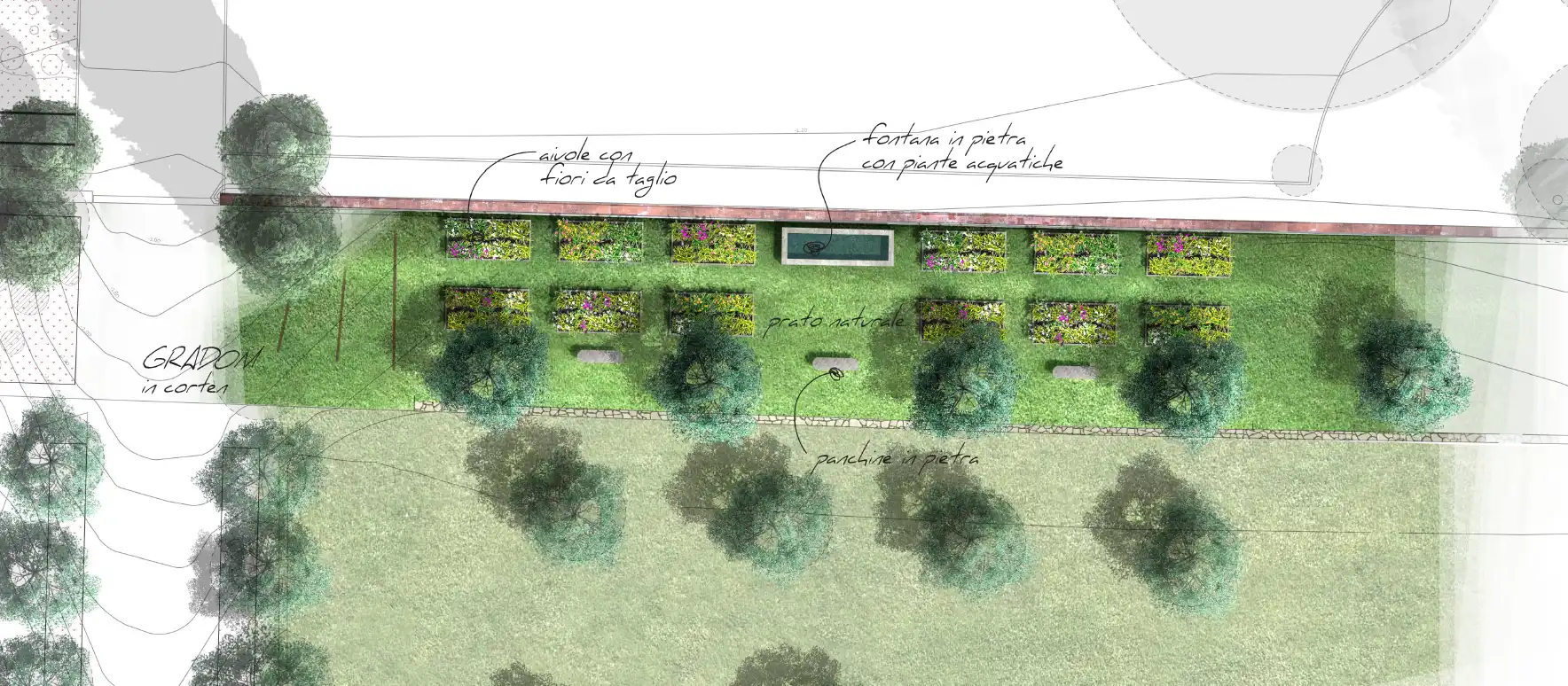
The work of a landscape designer begins long before the first plant is placed in the ground. Their activity includes analysing the space, choosing the plant species best suited to the location, arranging the different areas and defining pathways, relaxation areas and shaded corners. This also includes the design of irrigation systems and lighting, elements that are often underestimated but are crucial for making a garden truly enjoyable. In practical terms, a garden designer takes care of several key activities: they carry out site inspections and surveys of the space, develop an initial concept, create project drawings with plans and sections, prepare a bill of materials and works, and, when required, oversee the construction process. Every choice is carefully evaluated based on the budget, practical needs and the desired style.Difference between a garden designer, gardener and landscape architect
Understanding the difference between a gardener and a garden designer helps you choose the right professional. The gardener is the operational figure: they take care of planting, green space maintenance, pruning and regular care. Their work therefore mainly begins after the project has been defined. The garden designer, on the other hand, works during the creative and technical phase: they envision the space, define its style and prepare the documents that will guide its creation. The landscape architect works on an often broader and more complex scale, also dealing with parks, public spaces and large green areas, with an approach that integrates urban planning, environment and landscape. For a private garden project, the landscape designer generally represents the most balanced choice between expertise and practicality.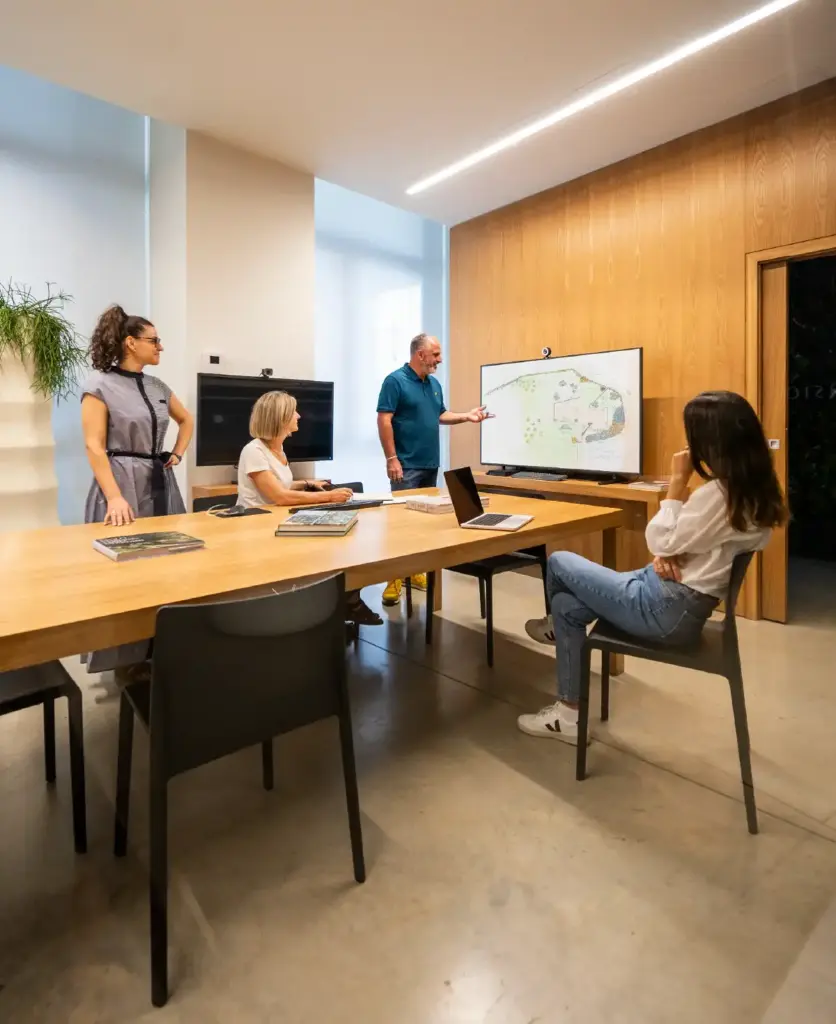
The stages of garden design
A good garden design follows an organised process, in which each phase prepares the next one.
Site inspection and analysis
Everything begins with observing the space. The designer evaluates the nature of the soil, exposure to sunlight, presence of wind, humidity and any constraints, such as level differences, existing trees or boundaries. This analysis allows plants and solutions that are truly suitable for the context to be chosen, avoiding costly mistakes.
Concept and preliminary design
This is the phase in which the garden’s guiding idea is created. The designer defines the division of spaces, the overall style and the functions of the different areas. The concept translates the client’s wishes into a coherent first visual proposal, which becomes the foundation for the following steps.
Detailed design and technical drawings
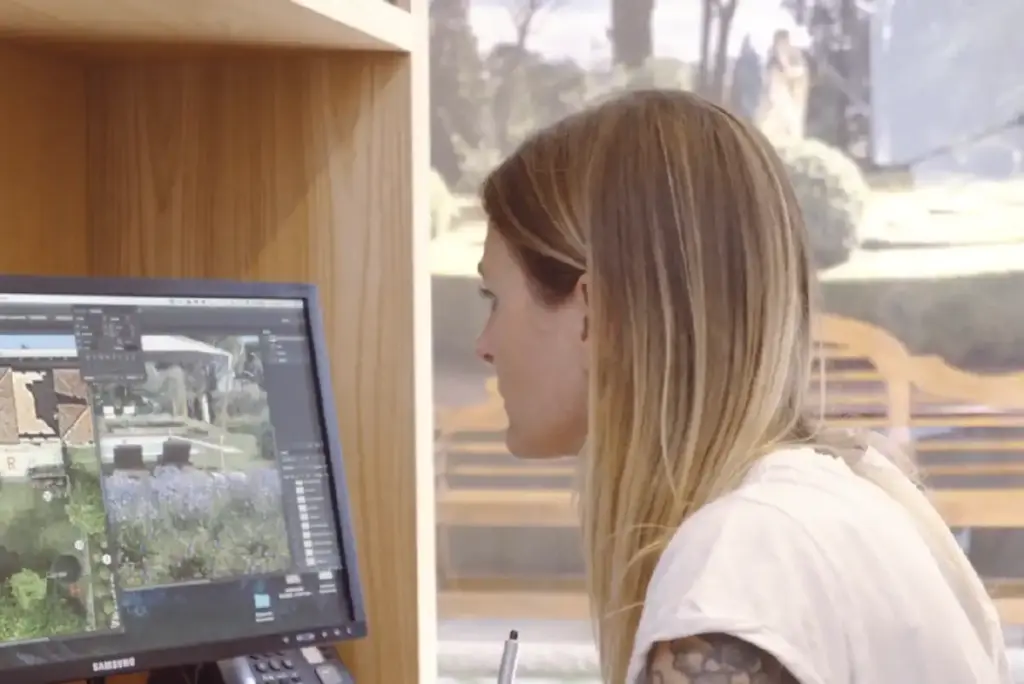
Here the idea takes on a technical form. Detailed plans, sections and, increasingly, a 3D render of the garden project are created to allow the final result to be visualised in advance. The drawings precisely indicate the position of plants, pathways, systems and furnishing elements.
Implementation and project supervision
In the final phase, the project becomes reality. If appointed to oversee the works, the designer coordinates the teams, checks that everything is carried out according to the design and resolves any issues that arise on site, ensuring quality and compliance with deadlines.
How to design a garden from scratch: elements to define
Those wondering how to design a garden from scratch should start with some fundamental decisions. First of all, the intended use of the space must be established: a place for relaxation, for children, for outdoor meals or for cultivation. Then plants and blooms are selected, taking into account seasonality and the required maintenance. The other elements to define are paving and pathways, which guide movement through the space, lighting, which makes the garden enjoyable even in the evening, and the irrigation system, essential for keeping greenery healthy with minimal effort. Finally, furnishings and functional areas are considered, completing the experience and making the space truly liveable.Designing small gardens and limited spaces
Even a small space can become a surprising environment. When designing a small garden, the key is to make intelligent use of every centimetre. Vertical solutions, with green walls and climbing plants, multiply the available space without taking up ground area. Perspective effects, created through diagonal pathways or mirrors, visually expand the environment. The choice of compact plant species and the multifunctionality of furnishings, such as seats that also become storage units, make it possible to create a rich and tidy garden even in a limited space. A good design shows that size is not a limitation, but rather a stimulus for creativity.The value of an overall vision
The work of a garden designer consists of understanding what a place already is and what it can become. The soil, exposure, architecture, existing vegetation and the habits of those who will live in the space all become part of a shared vision, later translated into botanical, technical and compositional choices. For Dimensione Verde, designing means guiding the landscape from the first idea to its realisation, considering from the very beginning also the future growth and evolution of the garden. It is this long-term perspective that allows the creation of harmonious, distinctive spaces that are deeply connected to the place they belong to.Frequently asked questions
What exactly does a garden designer do? A garden designer analyses the space, defines the style and designs plants, paving, lighting and irrigation systems, providing technical drawings and coordinating the creation of the entire garden. What is the difference between a gardener and a landscape designer? The gardener creates and maintains green spaces, while the landscape designer takes care of their planning and technical and aesthetic design before implementation. How much does it cost to hire a garden designer? The cost depends on the size, complexity of the project and type of service required, and can be calculated as a fixed fee, per square metre or as a percentage of the total work value.Article Summary Table
| Aspect | Details |
|---|---|
| Professional figure | Garden designer / landscape designer |
| Main activities | Site analysis, concept, project drawings, project supervision |
| Work output | Plans, sections, 3D renders, bill of materials |
| Designed elements | Plants, paving, lighting, irrigation, furnishings |
| Design phases | Site inspection, concept, detailed design, implementation |
| Most requested styles | Modern, Mediterranean, low maintenance, naturalistic |
| Ideal for | Private gardens, small spaces, tailor-made green areas |