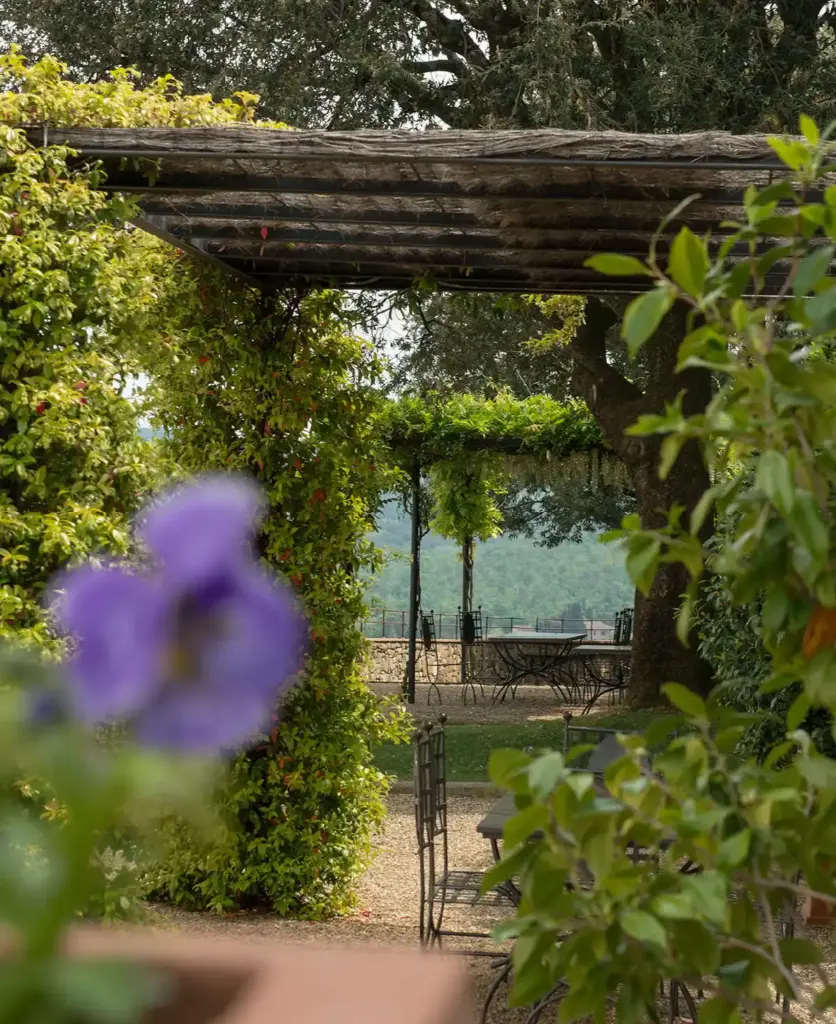


Garden, a living place.
August, 26 2026
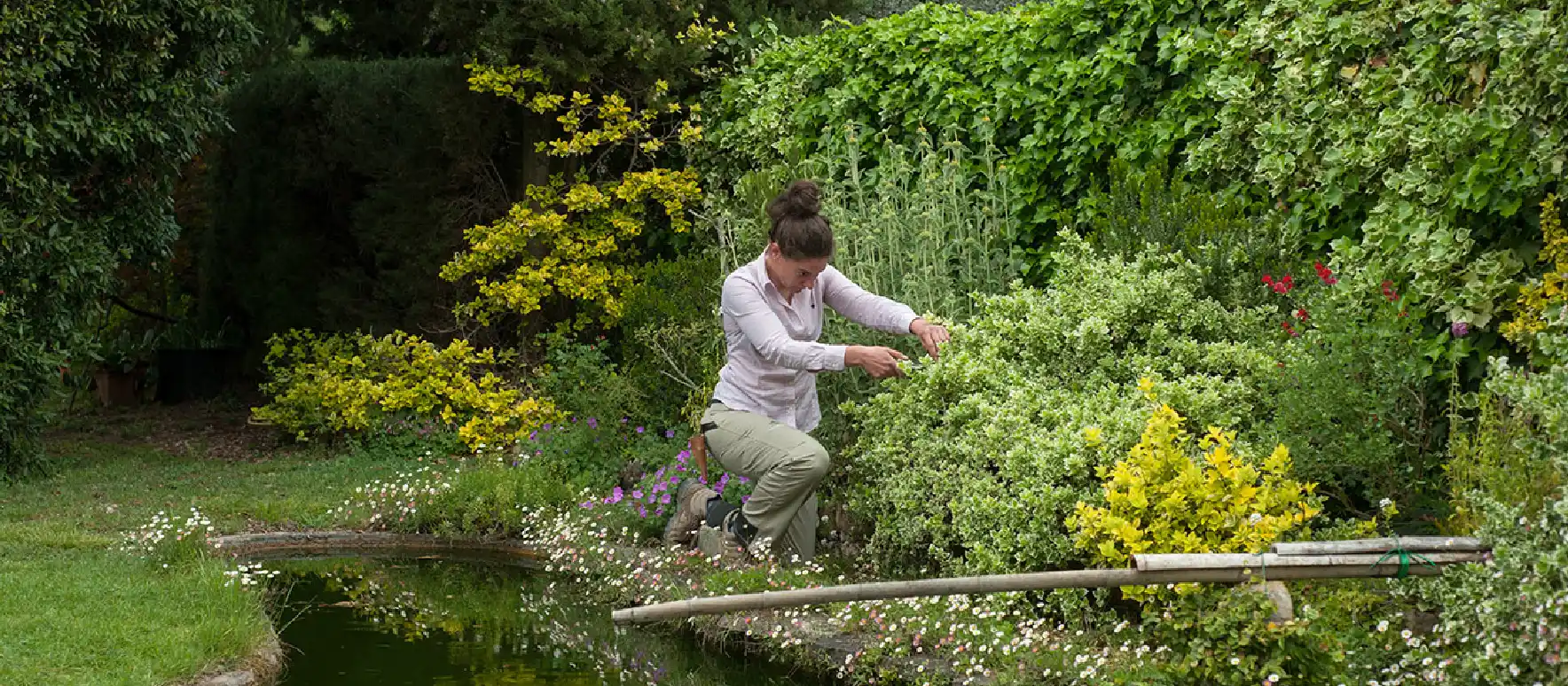
When we think of a garden, we often imagine it as an aesthetic element: a green space capable of enhancing a home, a villa, a hotel or an accommodation facility. In reality, a carefully designed garden is much more than a simple decoration.
A garden can become an integral part of the identity of a place. It can enhance its architecture, accompany its history, create continuity with the surrounding landscape and contribute to the way that space is experienced every day. For this reason, designing a garden does not simply mean choosing plants, flowers, hedges or materials. It means interpreting a context, understanding its characteristics and creating a space capable of engaging in dialogue with everything that surrounds it.
The garden as part of a place’s identity
A garden should never be conceived as something to be added at the end of a project.
When greenery is considered merely as an aesthetic finishing touch, there is a risk of creating a space that is pleasing to the eye but not very coherent with the place that hosts it. On the contrary, an authentic garden is born from a careful reading of its context.
Every place has its own identity. It may emerge from the architecture, the materials, the light, the views, the existing vegetation or the history of the space. The task of the project is to recognise these elements and transform them into a harmonious composition.
In this sense, the garden is not a frame. It is a living part of the place.
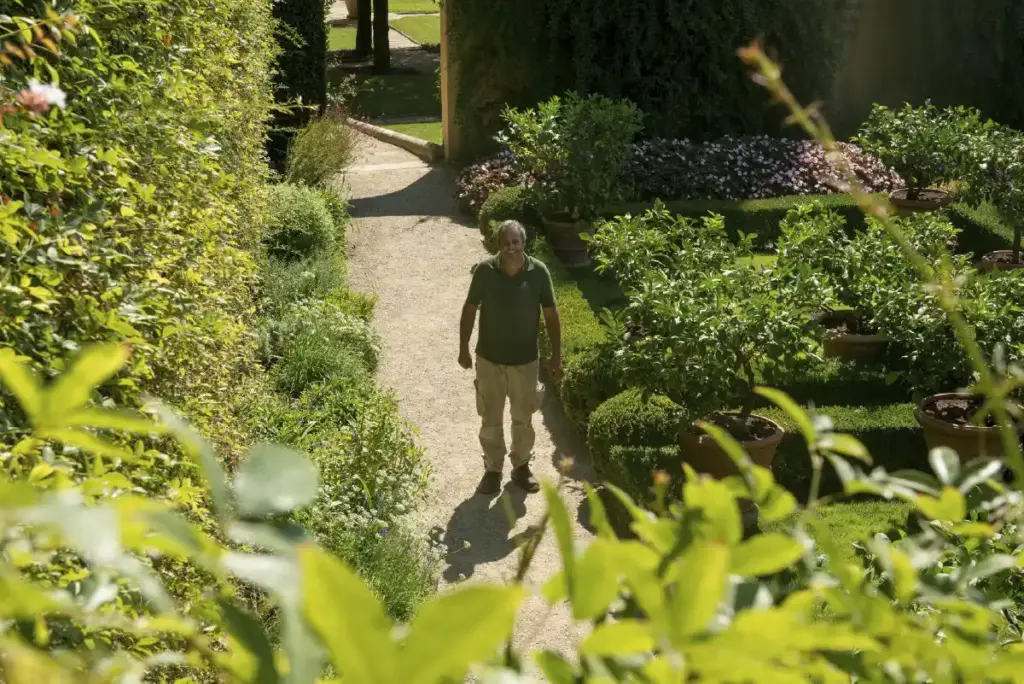
The relationship between garden, architecture and landscape
A well-designed garden creates connections.
It brings the building into dialogue with its surroundings, guides pathways, enhances perspectives and creates a natural transition between indoors and outdoors. In a private villa, it can create a more harmonious relationship with the home. In an accommodation facility, it can contribute to shaping the guest experience. In a historic place, it can strengthen the connection with memory and the surrounding landscape.
Every design choice should stem from this balance.
A hedge, a row of trees, a paved surface, a pergola or a shaded area are not isolated elements. They are parts of a broader system, which must work from an aesthetic, practical and identity-related point of view.
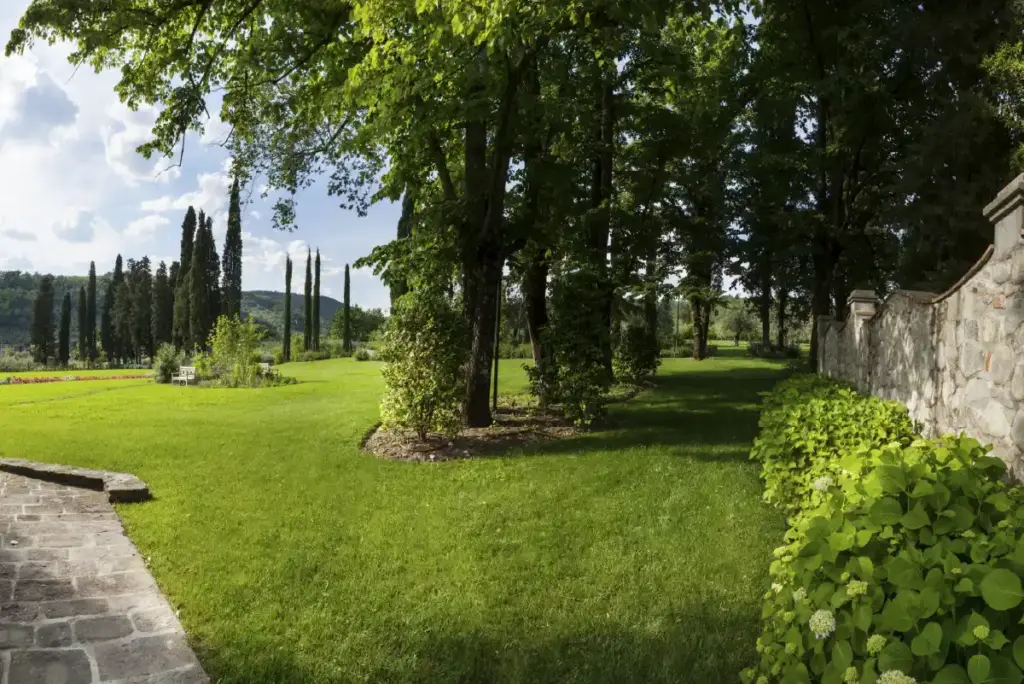
Why greenery is not just about aesthetics
Considering the garden solely as a decorative element means reducing its value.
Greenery influences the way a space is perceived and experienced. It can create a sense of welcome, privacy, freshness, depth, silence, visual continuity and well-being. It can make an entrance more prestigious, a pathway more natural, a terrace more enjoyable or an accommodation facility more distinctive.
In the case of high-end hospitality, the garden becomes part of the overall experience. It is not simply a backdrop for photographs or an area to walk through, but a space that contributes to the quality of the stay.
A garden can welcome, guide, surprise and leave a lasting memory.
Designing a garden means listening to the place
Before designing, it is necessary to observe.
The light, the exposure, the soil, the slopes, the existing materials, the views, the access points and the way in which the space will be used are all fundamental elements. Only after this phase of listening is it possible to define a coherent solution.
A garden designed without considering the place risks appearing out of place, even when it is formally beautiful. Conversely, a well-integrated garden seems to naturally belong to the space that welcomes it.
This is one of the most important qualities of landscape design: creating something new without disrupting the existing balance.
An authentic garden does not come from a standard model
Every place requires a different response.
For this reason, an authentic garden cannot come from a predefined solution or a replicated image. What works in one context may prove unsuitable in another. A plant, a material or a form should be chosen not only because it is beautiful, but because it is coherent with the place, the climate, the intended use and future maintenance.
The quality of a garden can also be recognised by its ability to stand the test of time.
A successful project is not only beautiful at the time of its creation, but continues to grow, evolve and maintain its coherence over the years.
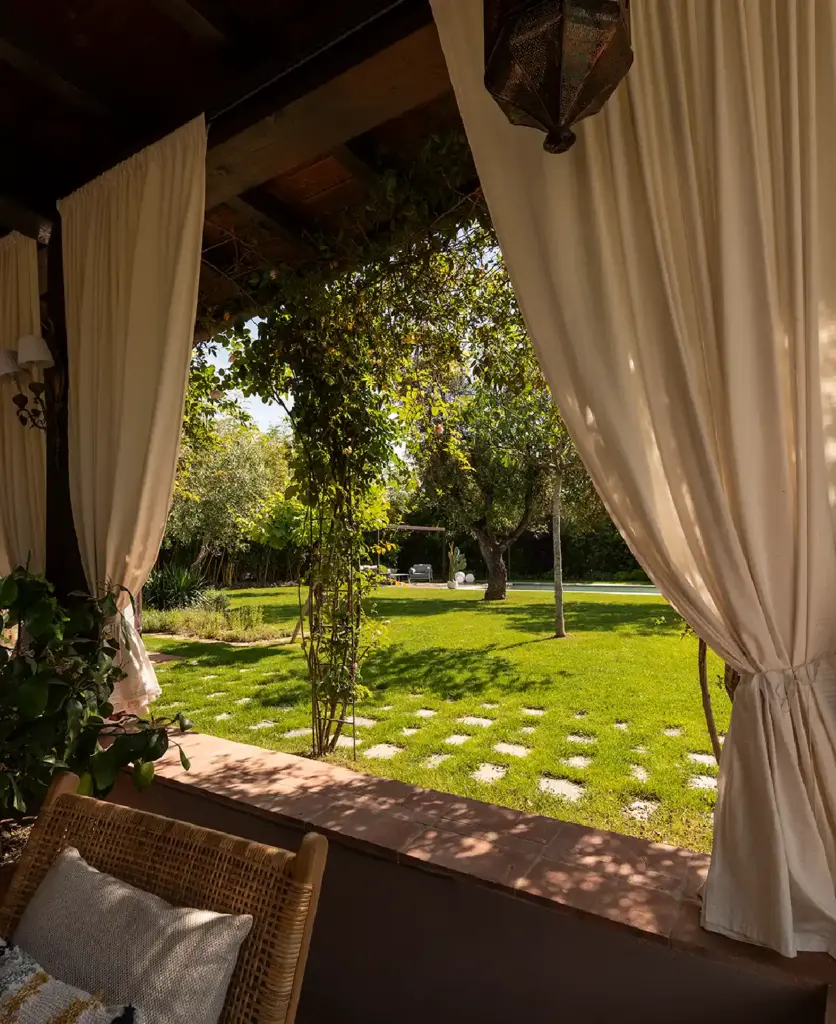
The value of a design approach
Relying on landscape professionals means creating a garden with a broader vision.
It is not only about choosing the most suitable plants, but about imagining how the space will be experienced, how it will change over time and what role it will play in the overall identity of the place.
A design approach makes it possible to combine aesthetics, functionality, care and continuity. It allows the creation of green spaces that are not simply beautiful, but truly belong to their context.
This is the difference between decorating an outdoor space and designing a landscape.
Garden and landscape design in Tuscany: the Dimensione Verde approach
For Dimensione Verde, designing a garden means first and foremost understanding the place.
Every project begins with listening to the context, reading the architecture, analysing the landscape and paying attention to the details that make each space unique. Whether it is an accommodation facility, a private garden, a historic residence or a landscape of outstanding value, the goal is to create a coherent, authentic project capable of standing the test of time.
The garden is not interpreted as a simple decorative element, but as a living part of the identity of the place: a space that engages with history, nature and the way in which it will be experienced.
A well-designed landscape does not impose itself. It belongs.