


Green Care for Hospitality Structures
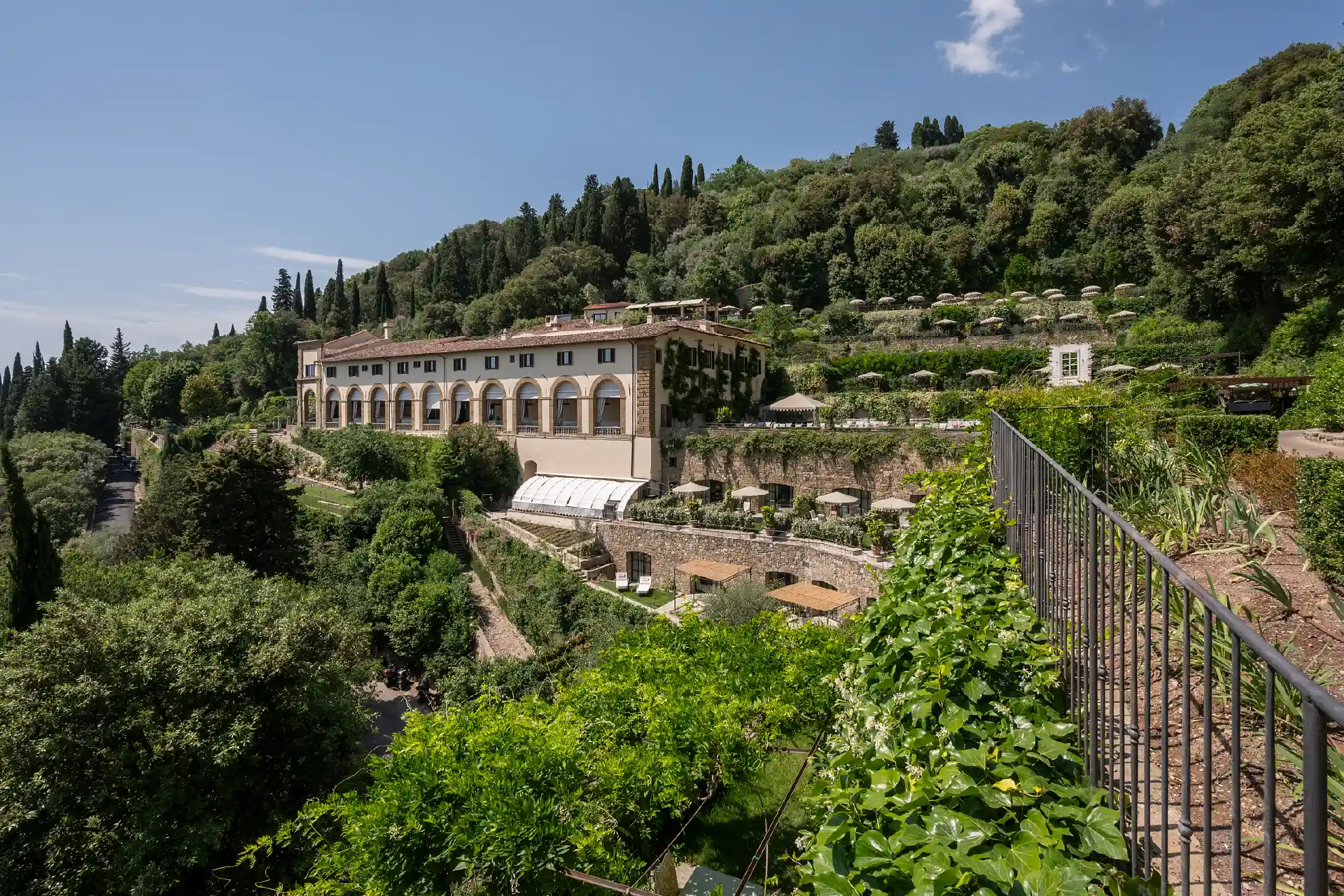
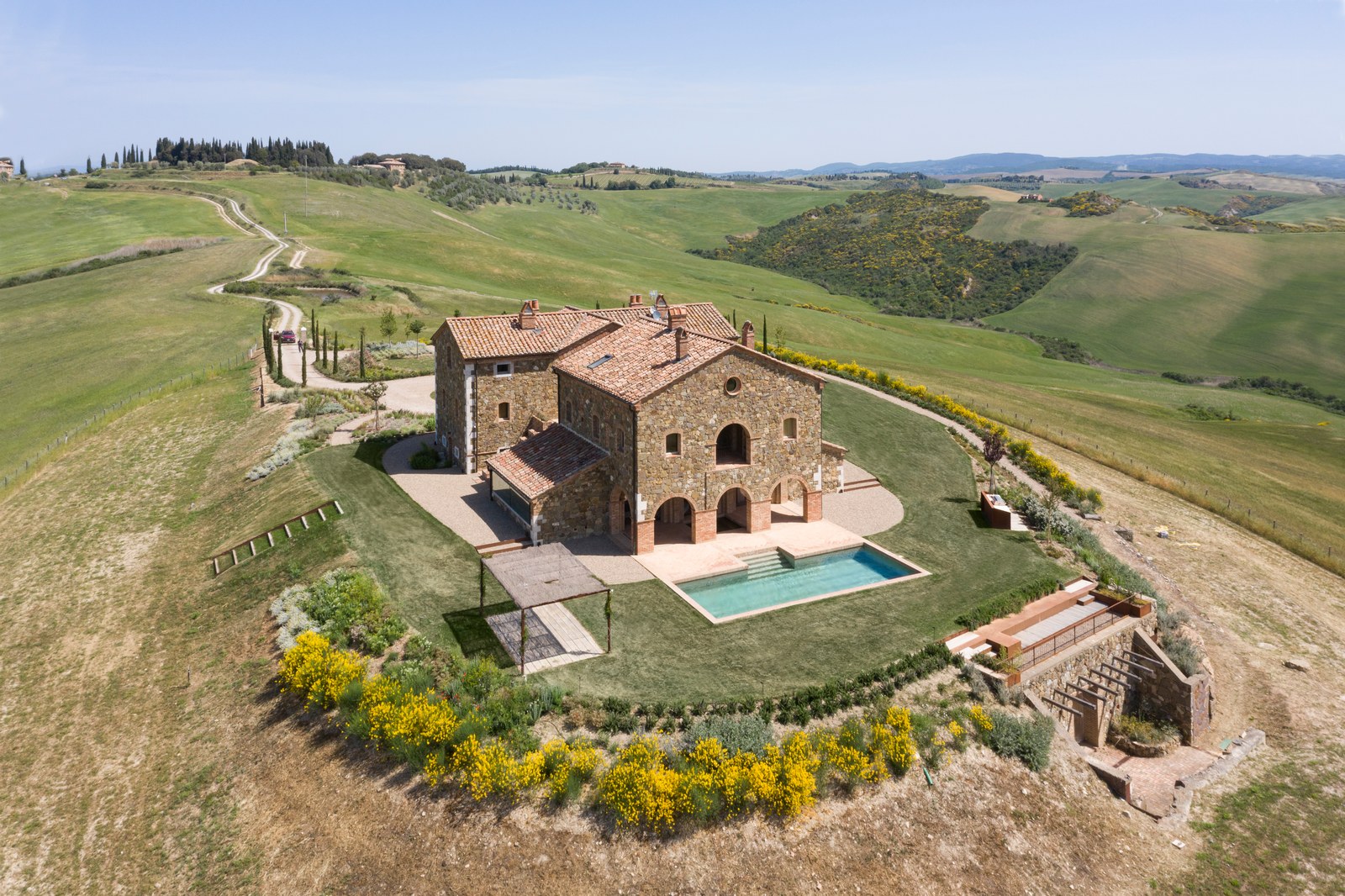
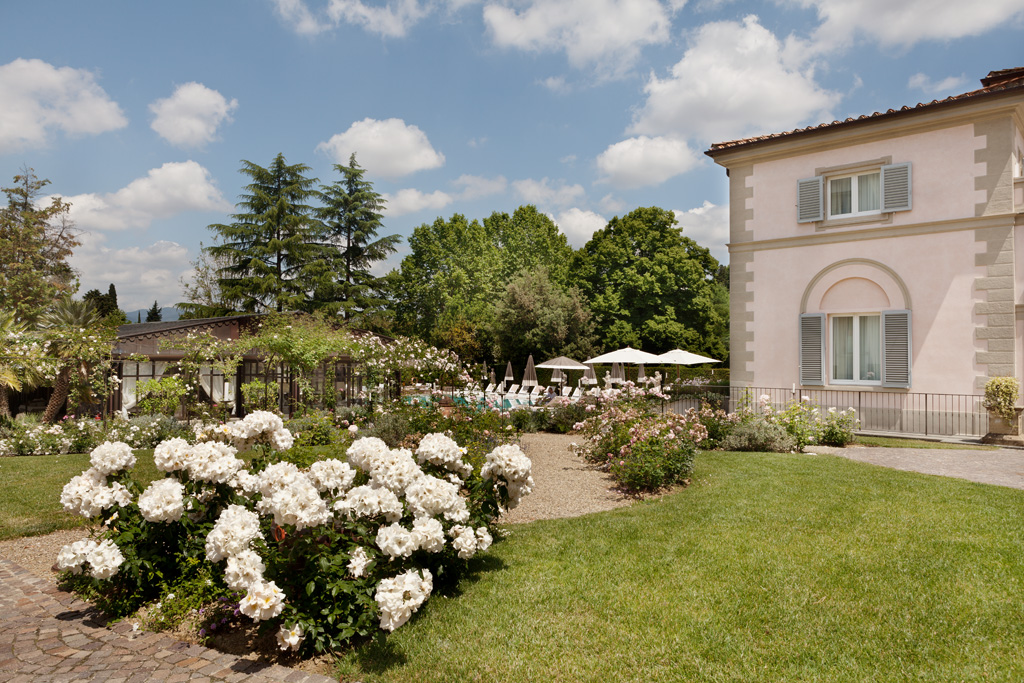
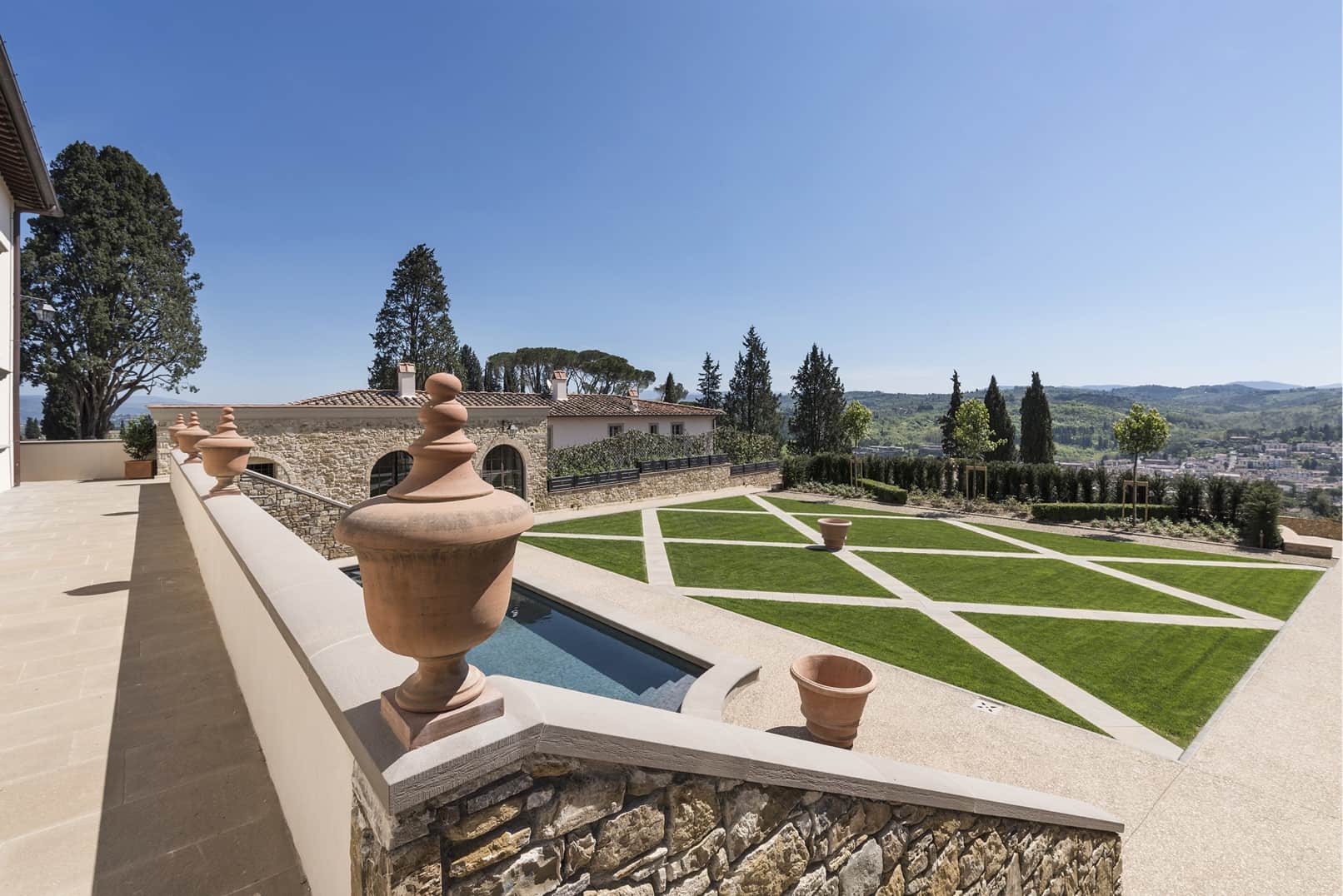
The image of a hospitality structure is also built through the green spaces that welcome guests. A well-kept garden conveys professionalism and attention to detail, while a neglected green area compromises the overall experience regardless of the quality of internal services. Green care therefore becomes a strategic investment for hotels, resorts, farmhouses, and bed & breakfasts that want to stand out in an increasingly competitive market.
Garden maintenance in hospitality structures
Garden maintenance in hospitality structures requires high standards. Guests expect constant visual perfection, regardless of the season or weather conditions. This means scheduling frequent interventions that always maintain an impeccable appearance, from the entrance area to the relaxation areas, from the pool edges to the connecting paths.
Hotels and resorts must coordinate green management with other operational activities: avoid disturbing noises during rest hours, plan invasive interventions during low season periods, and always guarantee accessible areas for guests. A well-structured maintenance calendar prevents degradation and distributes interventions rationally throughout the year.
Lawn Management
The lawn represents the most visible and used element in hospitality structures. It must withstand intense trampling, guarantee safety for any recreational activities, and maintain a uniform green appearance. Lawn management begins with the choice of seeds: mixtures resistant to frequent passage, adapted to the local climate, and capable of recovering quickly from mechanical stress.
Grass cutting follows close frequencies during the growing season, generally twice a week in the spring and summer months. The ideal height is maintained between 3 and 5 centimeters to guarantee compactness and resistance. In addition to cutting, complementary operations are needed: aeration to prevent root thatch, top-dressing to level hollows, overseeding in thinned areas, and balanced fertilization that favors leaf density without excessive growth.
High-traffic areas such as paths to the pool or event areas require periodic reinforcement or alternative solutions: stone walkways, latest-generation synthetic grass inserts in critical areas, or green barriers that naturally direct the flow of passage.
Vegetation Care
Vegetation care in hospitality structures includes ornamental plants, hedges, shrubs, and trees that define the aesthetic identity of the space. Seasonal blooms require planned replacements: pansies and primroses in winter-spring, geraniums and surfinias in summer, cyclamens and ornamental kales in autumn. This rotation guarantees constant color and renews visual interest for regular guests.
Hedges perform multiple functions: they delimit spaces, create privacy, protect from the wind, and reduce external noise. They must be pruned regularly to maintain tidy shapes and compact density. The pruning of trees and shrubs follows specific calendars for each species, favoring interventions during the vegetative rest period to minimize stress to the plants.
Irrigation
An efficient irrigation system is fundamental for hospitality structures, where green spaces must remain lush even during periods of drought. Programmable automated systems guarantee constant water supply without the need for manual intervention, optimizing consumption and results.
Drip irrigation for flowerbeds and hedges reduces water waste and prevents fungal diseases that proliferate with excessive leaf wetting. Pop-up sprinklers for lawns are preferably activated at night or in the early morning when evaporation is minimal. Soil moisture and rain sensors avoid superfluous irrigation, containing water costs which can become significant in hospitality structures.
Cleaning and Decor
Daily cleaning distinguishes a professional garden from an amateur one. Fallen leaves, withered petals, broken twigs, paper, or abandoned waste must be removed immediately to maintain overall decor. In hospitality structures, this operation becomes a morning routine before guests begin to use the outdoor spaces.
Walkways require frequent sweeping and the removal of weeds growing in the joints between paving. The borders of the flowerbeds must be kept defined, avoiding encroachment of the lawn into the planted areas. Waste bins must be emptied regularly and positioned in accessible but discreet points.
Green Waste Disposal
The disposal of green waste represents a relevant operational aspect in hospitality structures with large green surfaces. Grass clippings, prunings, leaves, and plant material produce significant volumes that require correct management in compliance with environmental regulations.
Where on-site composting is not feasible, it is necessary to organize periodic collections through authorized services that guarantee the correct treatment of green waste.
Green area maintenance service for hospitality structures
A professional maintenance service for hospitality structures is organized on several levels. The basic plan includes ordinary weekly interventions: lawn mowing, general cleaning, irrigation, and visual inspection of the vegetation. The complete plan adds seasonal pruning, scheduled fertilization, preventive phytosanitary treatments, plant replacement, and management of the irrigation system.
Operational flexibility is crucial: the ability to intensify interventions before important events, availability for emergencies such as the removal of fallen branches after storms, and adaptation of calendars to the specific tourist flows of the structure.
Professional maintenance of green areas transforms the garden from a simple aesthetic complement into a true strategic resource, capable of positively influencing guest reviews and building a reputation of excellence that consolidates over time.