


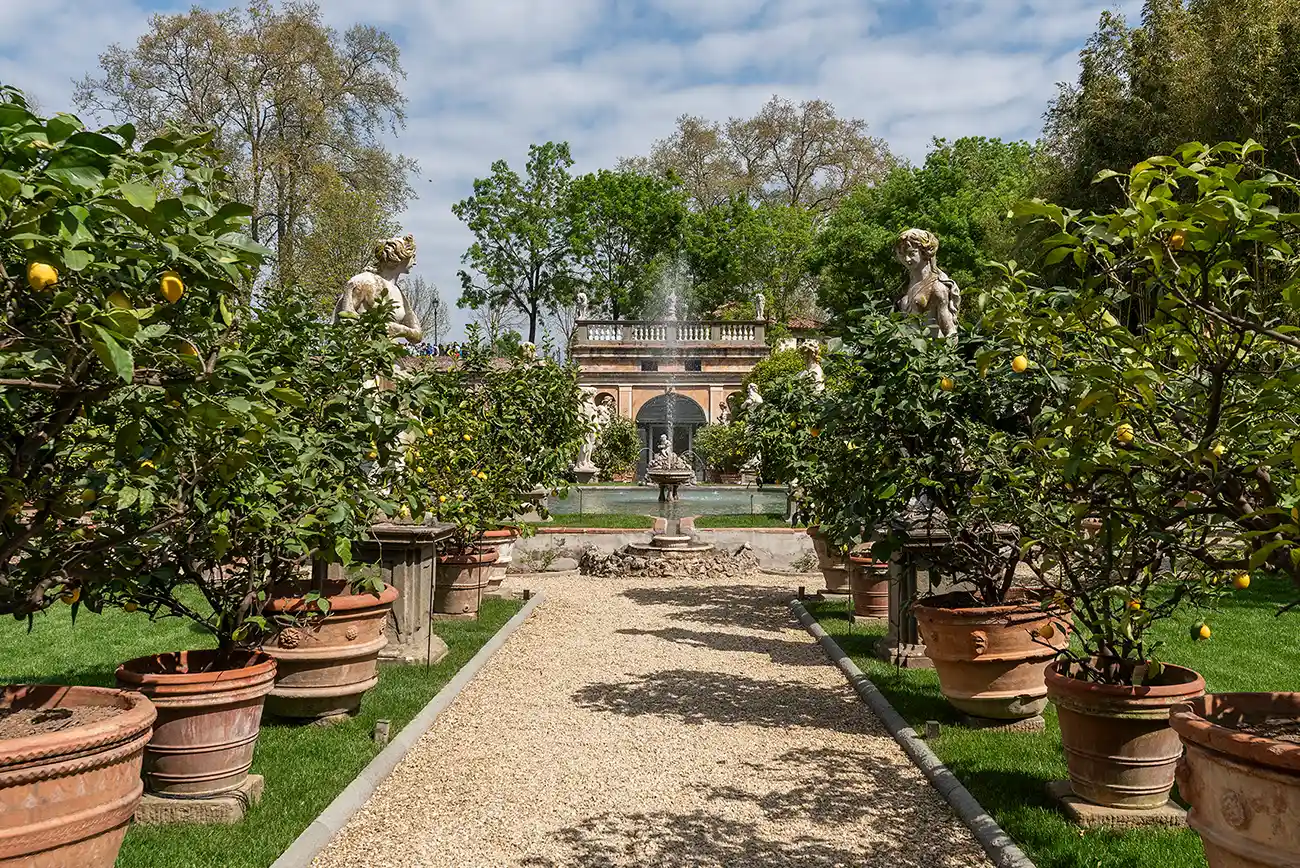
 Vedi progetto
Palazzo Pfanner
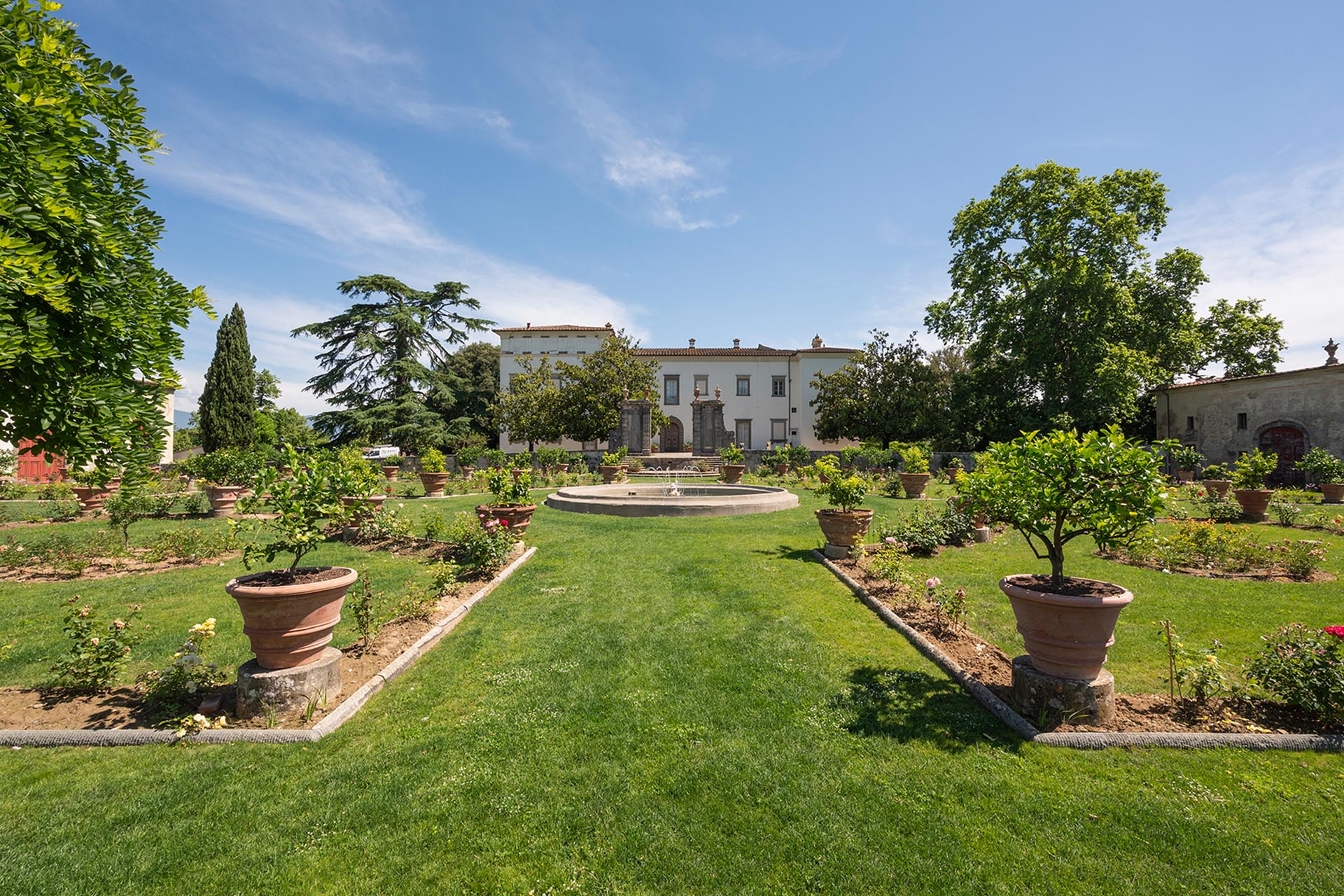 Vedi progetto
Villa La Magia
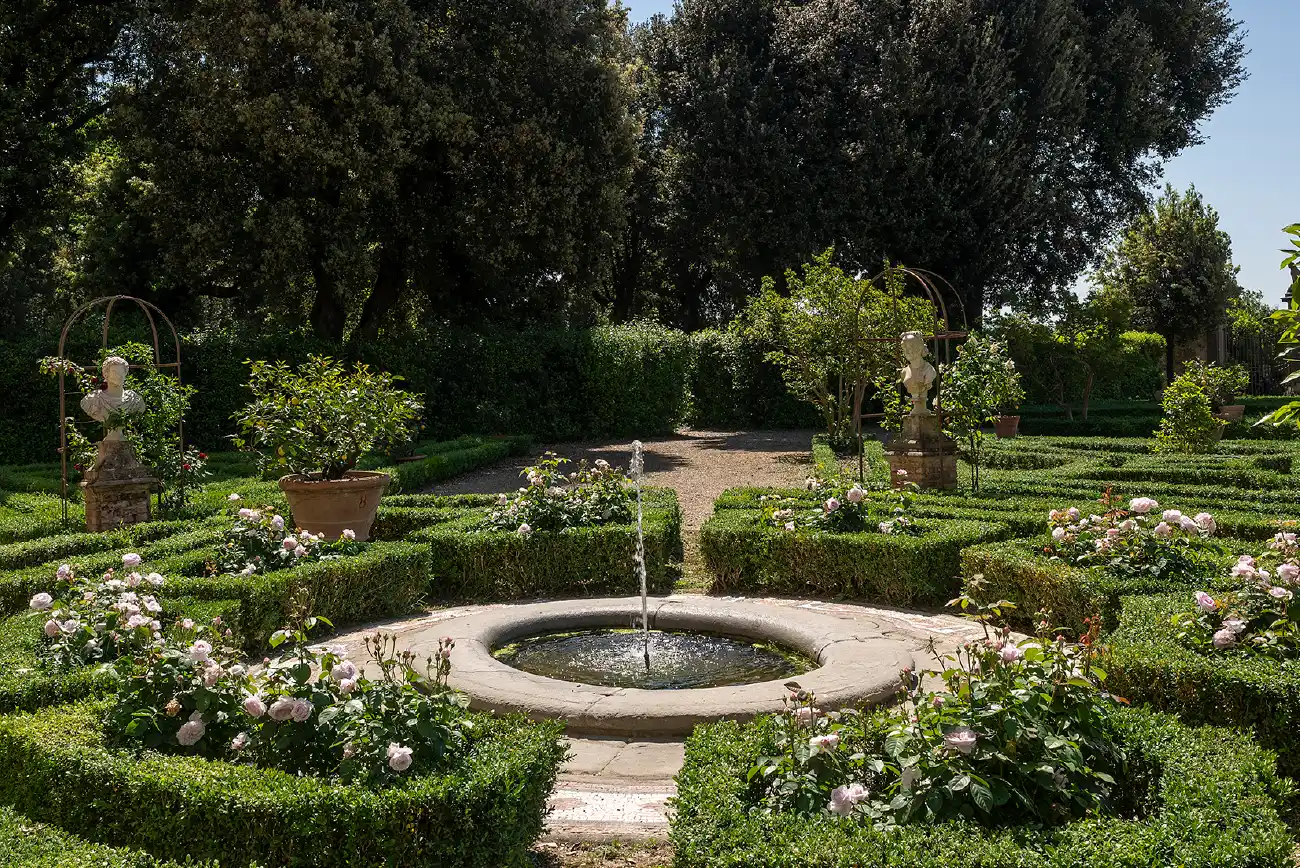 Vedi progetto
Villa Guicciardini Corsi Salviati
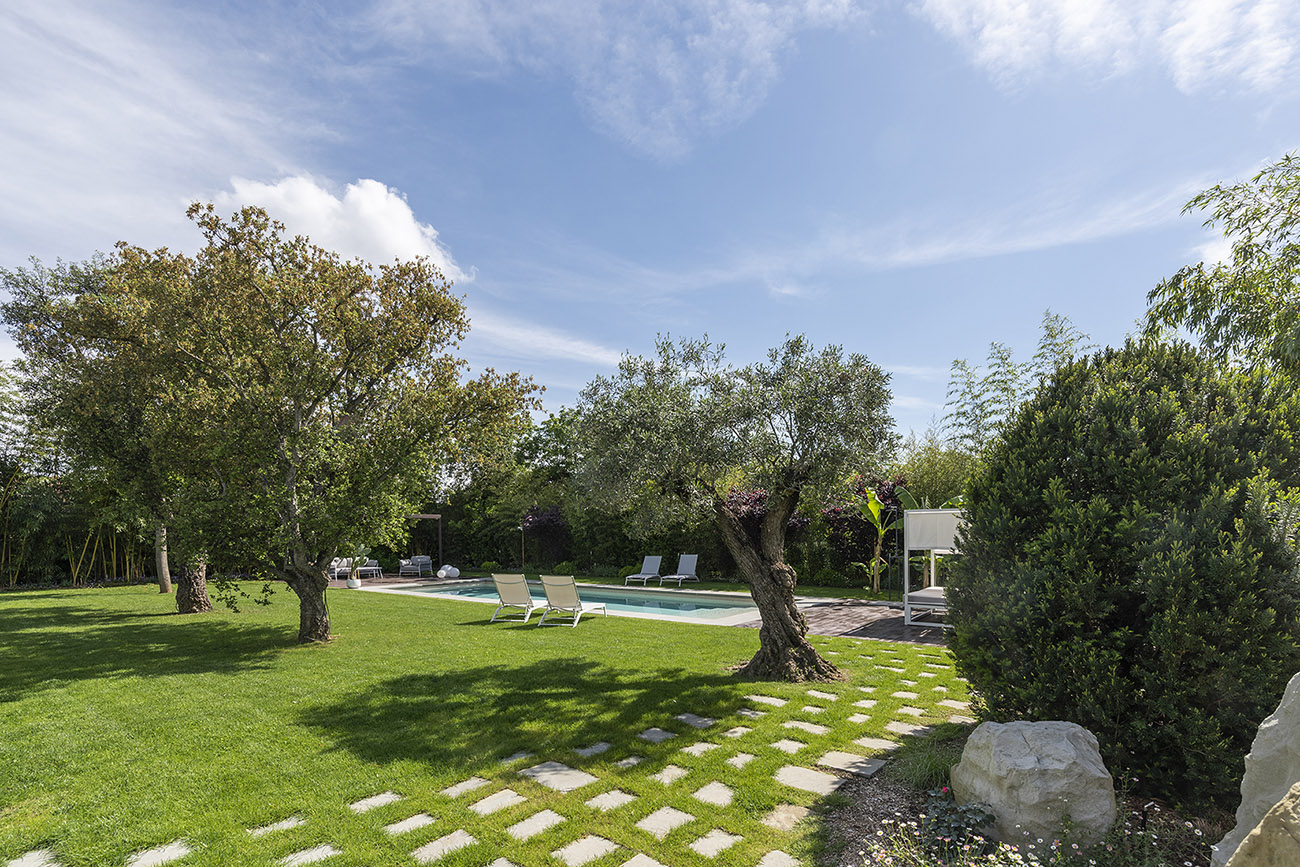 Vedi progetto
Private residence in Florence
 Vedi progetto
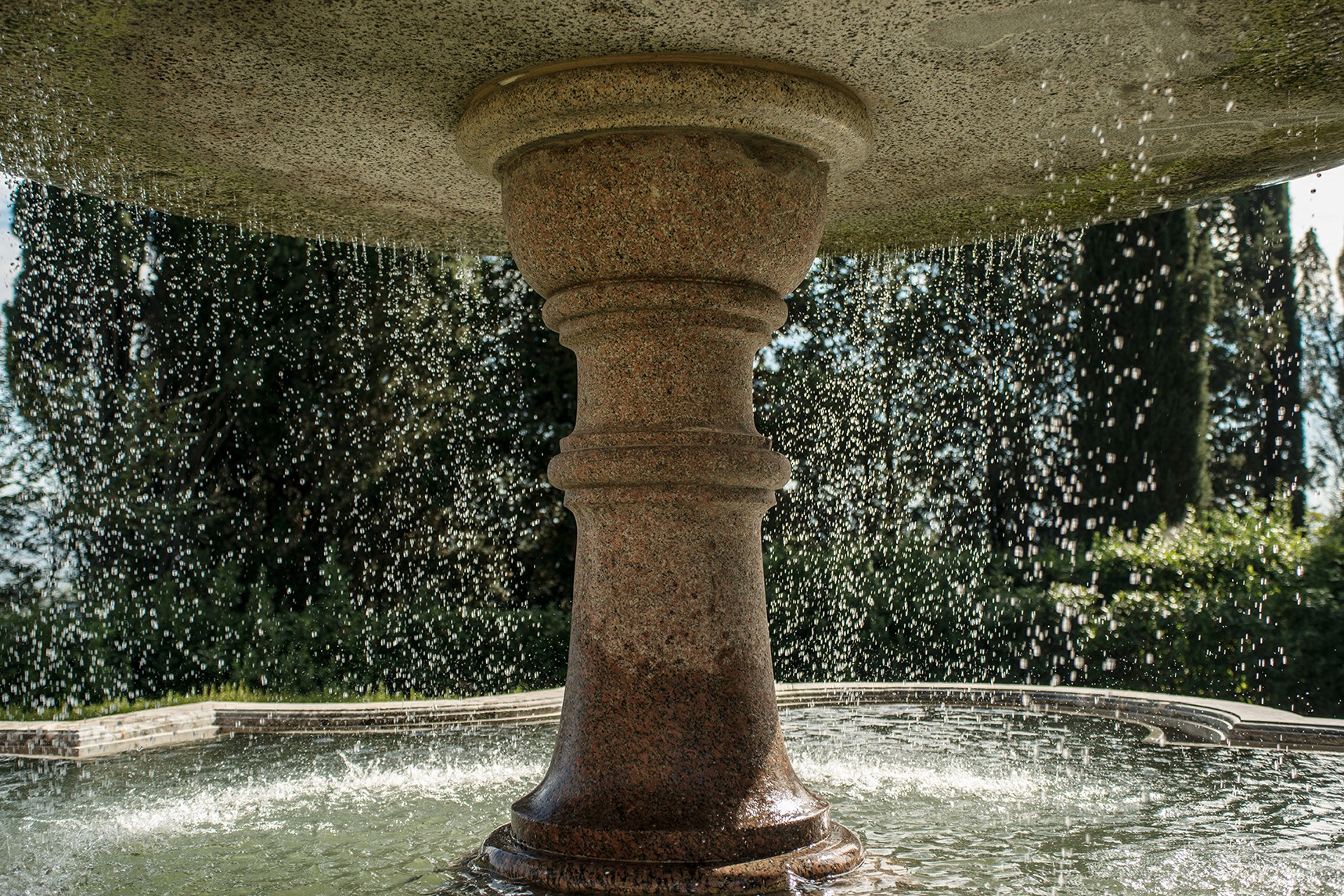
Fountain restoration for a private residence in Florence
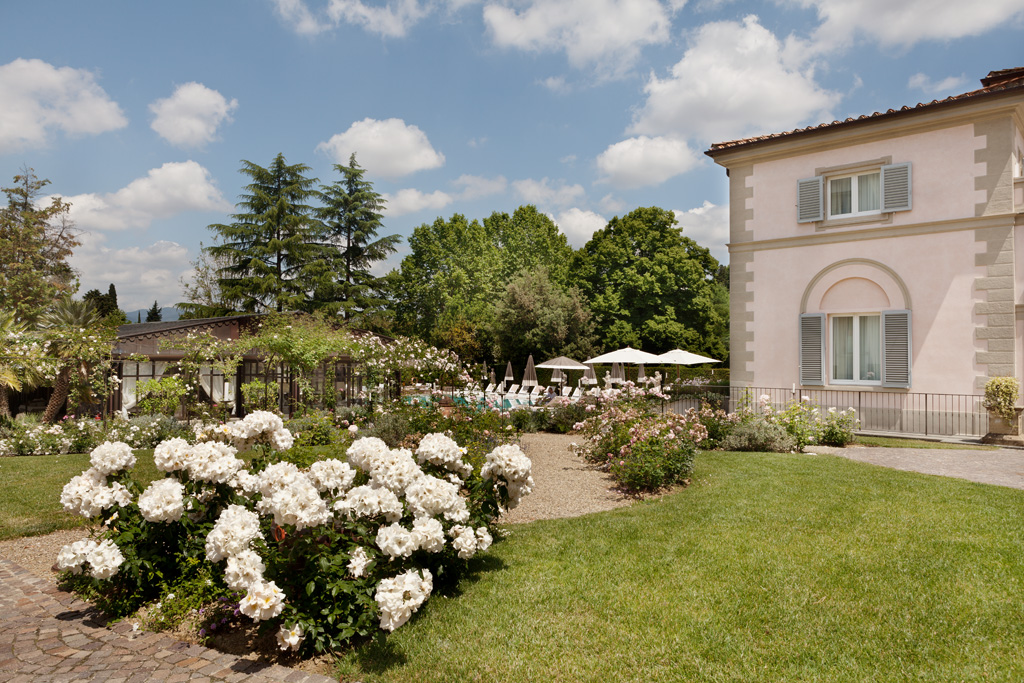
Garden Fountains in Florence and Tuscany: Elegance and Tradition for Outdoor Spaces
Garden fountains in Florence represent a distinctive element that combines Renaissance tradition and contemporary functionality. In the Florentine context, where water has always played a central role in the design of historic green spaces, installing a fountain means creating a focal point that enhances the entire garden, generating movement, sound, and a unique atmosphere.
The choice of a fountain for one’s garden requires careful evaluation that takes into account the architectural style of the home, the size of the available space, and the landscape context.
Natural stone fountains harmonize perfectly with traditional Tuscan architecture. Pietra serena, travertine, and white Carrara marble are preferred materials for creations that dialogue with the local artistic heritage.
Cast iron fountains offer alternatives characterized by elaborate decorative workmanship and exceptional durability. Artistic castings reproduce classic motifs, mythological figures, and floral decorations that recall the nineteenth-century decorative taste still very present in historic Tuscan gardens.
Modern fountains in contemporary materials such as corten steel, stainless steel, or architectural concrete fit successfully into contemporary architectural contexts, creating interesting contrasts even alongside renovated historic buildings.
Garden Fountain Construction
The construction of garden fountains requires multidisciplinary technical skills ranging from aesthetic design to hydraulic engineering. Each installation constitutes a unique project that must respond to specific requirements of functionality, aesthetics, and landscape integration.
The preliminary design phase identifies the optimal position by evaluating solar exposure, visibility from different perspectives, proportional relationship with the surrounding space, and ease of access for maintenance. The fountain must constitute a harmonious element that enhances without dominating, creating visual balance with existing vegetation and architectural elements.
Correct sizing considers not only the aesthetic aspect but also the acoustic scale: the sound of the water must be pleasant and relaxing, avoiding excessively noisy or, conversely, imperceptible effects. Waterfalls, jets, and overflows produce different sounds that contribute to the overall atmosphere of the outdoor space.
The choice of the collection basin determines the footprint on the ground and the overall water capacity. Underground basins allow for ground-level installations with great compositional freedom, while surface basins simplify installation but require more attention to aesthetic integration. The basin capacity must guarantee sufficient volume to compensate for evaporation and loss.
Recirculation systems constitute the technical heart of the installation. Submersible pumps of adequate power move the water from the collection basin to the upper decorative elements, creating the continuous movement that characterizes the fountain. The choice of pump considers necessary flow rate, lift height, energy consumption, and operating silence.
Water filtration maintains aesthetic and functional quality over time. Mechanical filtration systems remove debris, leaves, and dust that inevitably accumulate. UV filters prevent the proliferation of algae that could give undesirable green colorations. Periodic treatments with specific products keep the water clear and odorless.
Outdoor Fountains
Outdoor fountains must resist variable atmospheric conditions, ensuring durability and functionality over time. The design considers freeze-thaw cycles, exposure to UV rays, sediment accumulation, biological development, and thermal variations.
Wall fountains represent ideal solutions for small spaces or for enhancing perimeter walls. Decorative masks from which water flows, artistic spouts, and vertical panels with waterfalls create high-impact scenic elements while occupying minimal surfaces. These installations integrate naturally with existing architecture, becoming an integral part of the facade.
Column fountains develop vertically with overlapping elements from which water overflows successively to the base basin. This type offers a sculptural presence and articulated movement with contained dimensions, making it particularly suitable for medium-small gardens or terraces.
Basin fountains feature central decorative elements surrounded by large basins that collect the water. This classic configuration allows the play of water to be appreciated from different angles and offers the possibility of introducing aquatic plants or ornamental fish that enrich the composition.
Zen fountains interpret oriental tradition with natural stone elements arranged according to principles of balance and harmony. Water flowing slowly over rocky surfaces, low basins with polished pebbles, and bamboo as a decorative element create meditative atmospheres particularly appreciated in spaces dedicated to relaxation.
Construction of Outdoor Fountains
The construction of outdoor fountains follows an articulated process that guarantees durable and functional results. Each phase requires attention to technical details and executive care to obtain high-quality installations.
Site preparation constitutes the first operational intervention. Excavations for housing underground basins, preparation of concrete bases for supporting heavy elements, and construction of technical pits for housing pumps and control units must respect precise dimensions and leveling. Well-prepared ground prevents future subsidence and misalignment.
The installation of the hydraulic system connects the various elements of the fountain through appropriately sized pipes. Fittings, curves, and shut-off valves allow for targeted maintenance without completely emptying the system. Underground pipes require protection from crushing and thermal insulation in areas subject to intense frost.
The electrical connection powers pumps, scenic lighting, and any automation systems. Outdoor electrical cables with adequate IP protection run in corrugated pipes or dedicated conduits to the electrical panel. Waterproof outlets facilitate maintenance interventions. The system must comply with safety regulations with dedicated residual-current circuit breakers.
The assembly of decorative elements assembles the components of the fountain according to the established design. Heavy stone elements require handling with mechanical means and millimeter-perfect positioning. Anchoring with epoxy resins or stainless steel bolts guarantees stability against vibrations, water pressure, and accidental stress.
Complete Systems and Projects for Fountains
Complete systems for fountains integrate hydraulic, electrical, and decorative components into coordinated functional systems. Systemic design guarantees operational efficiency, ease of maintenance, and the possibility of future updates.
Integrated misting systems create particular scenic effects by generating light veils of mist that envelop the fountain. Specific nozzles pulverize water into suspended microparticles that capture and diffuse light, creating ethereal atmospheres particularly suggestive at sunset.
Complementary furnishing elements complete the project: perimeter seating that invites contemplative pauses, perimeter flowerbeds with aquatic vegetation or ornamental species that dialogue with the water, non-slip paving in transit areas near the fountain, and path lighting that guides toward the water element.
Fountain Construction in Florence
The construction of fountains in Florence requires particular sensitivity toward the historic and landscape context.
Seasonal maintenance involves winter preparation with partial or total emptying to avoid frost damage, thorough spring cleaning before reactivation, summer checks of the water level to compensate for accelerated evaporation, and preventive algaecide treatments in the hot months. Integration with rainwater collection systems represents a sustainable solution that enhances a natural resource.