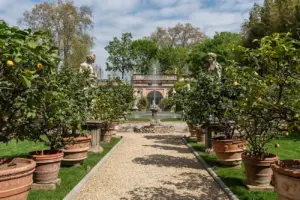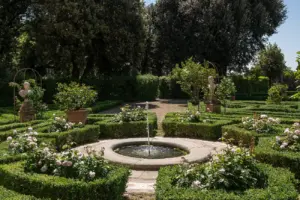

Historic Gardens and the PNRR: Opportunities for Monumental Green Heritage
Discover how Atelier Dimensione Verde supports public entities and private owners in restoring historic gardens through PNRR funding.
The PNRR for Historic Gardens
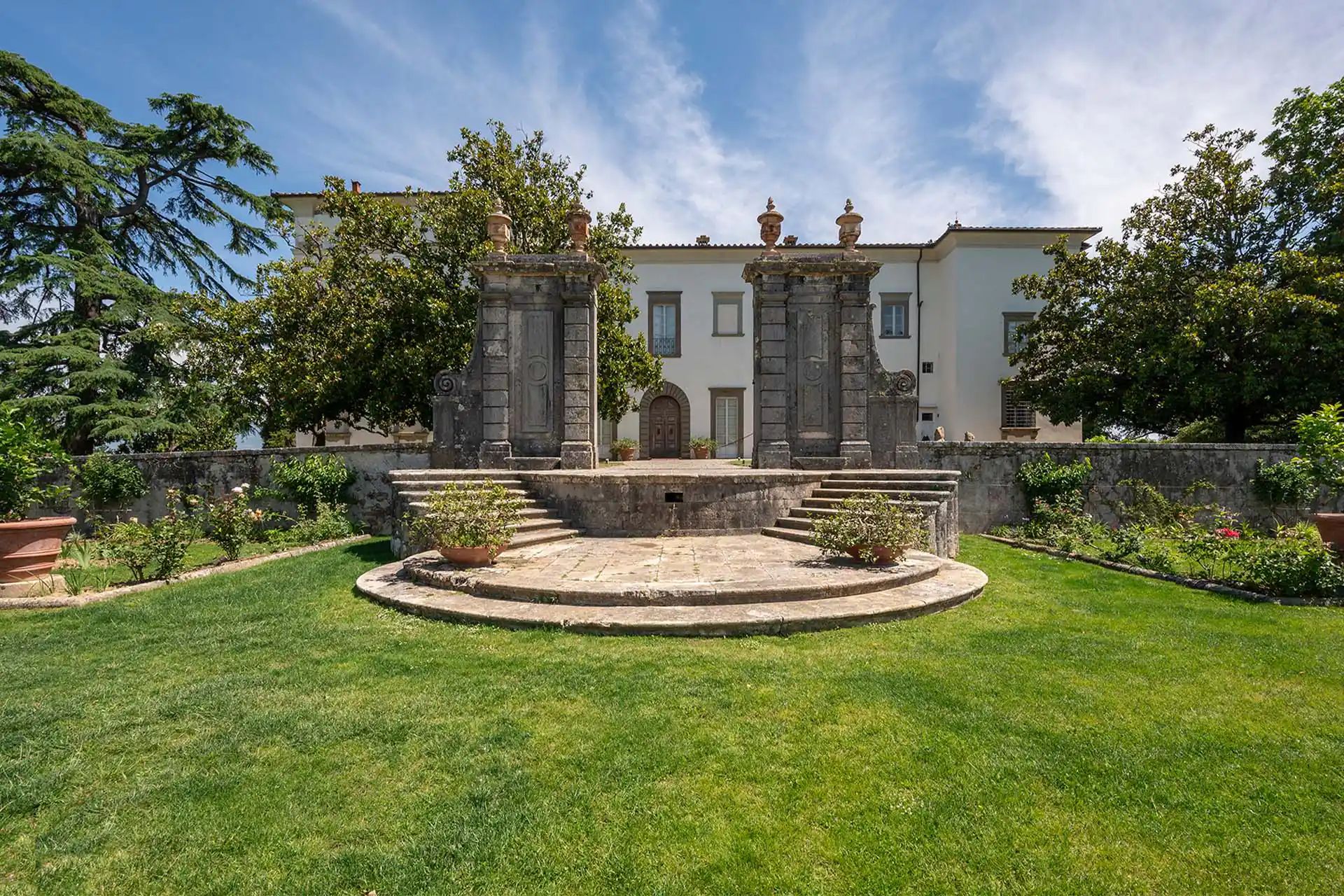
The protection and maintenance of historic gardens are now among the priorities of the Piano Nazionale di Ripresa e Resilienza (PNRR). Thanks to resources dedicated to the regeneration of cultural heritage, public bodies and owners of monumental parks can access targeted funding for conservation, safety, botanical restoration, and enhancement projects. Historic gardens are not only places of great charm: they preserve biodiversity, tell the story of a territory, and represent a strategic driver for sustainable tourism. Investing in their care means protecting a collective asset while creating new economic opportunities. The PNRR makes this increasingly accessible, with funds specifically aimed at the recovery of monumental green heritage and its long-term management.
What is the PNRR?
The PNRR (Piano Nazionale di Ripresa e Resilienza) is an investment program financed by the European Union to support the country’s modernization after the pandemic crisis. Among its objectives is the protection of historical and landscape heritage, with dedicated funds for the redevelopment of historic gardens and the creation of cultural-tourism enhancement paths.
International Standards and Guidelines for the Restoration of Historic Gardens
Interventions on monumental gardens follow internationally recognized guidelines that ensure a scientific approach respectful of historical value. These standards define criteria such as the reversibility of interventions, respect for original species, the use of non-invasive techniques, and the thorough documentation of each project phase. Working according to these rules guarantees lasting results and full compliance with the requirements of PNRR funding calls.
Our Services for Restoration and Enhancement
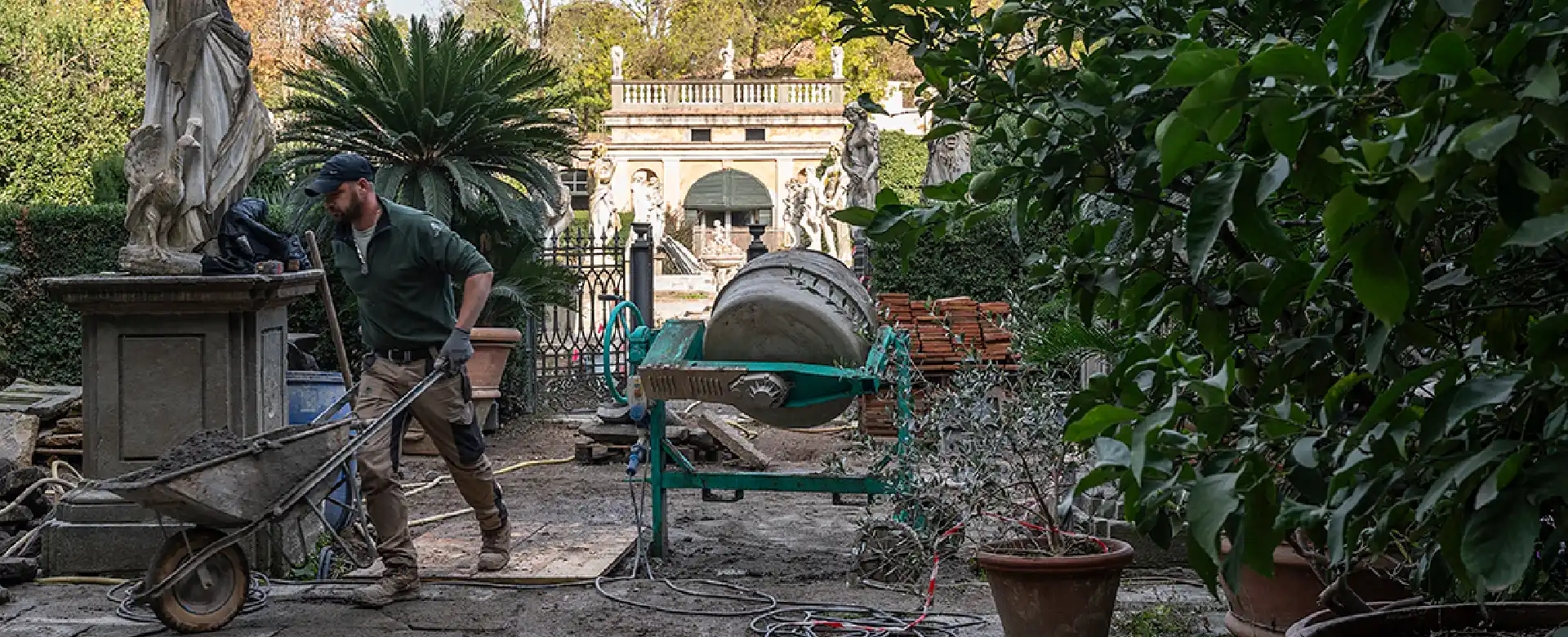
Restoring a historic garden is a rigorous process that begins with documentary analysis: maps, archives, botanical surveys, and landscape studies help reconstruct the original configuration. A diagnostic phase follows, assessing tree stability, plant health issues, and the condition of architectural elements. Only then is a project developed to recover the garden’s historical identity, restore landscape geometries, reintroduce coherent species, and plan long-term conservation maintenance. The goal is to protect the memory of the place while enhancing safety and functionality.

Initial Audit and Specialist Design
Botanical analysis, assessment of plant health, historical surveys, and definition of the intervention plan.

Execution of Restoration, Regeneration, and Maintenance Works
Dedicated interventions for maintaining historic gardens, recovering original species, restoring landscape geometries, and renovating water systems.

Post-Intervention Monitoring and Reporting
Periodic inspections, scheduled maintenance, and technical assistance with reports for the final project phase.
Benefits for Public Entities and Private Owners
Enti pubblici
- Works carried out through PNRR funding for historic gardens
- Projects compliant with ministerial guidelines
- Enhancement of the territory and increased tourism
- Improved safety and usability of green spaces
Proprietà private e ville storiche.
- Increased value of the real estate asset
- Recovery of the garden’s original layout
- Funding opportunities for complex interventions
- Long-term maintenance plans for historic green heritage