


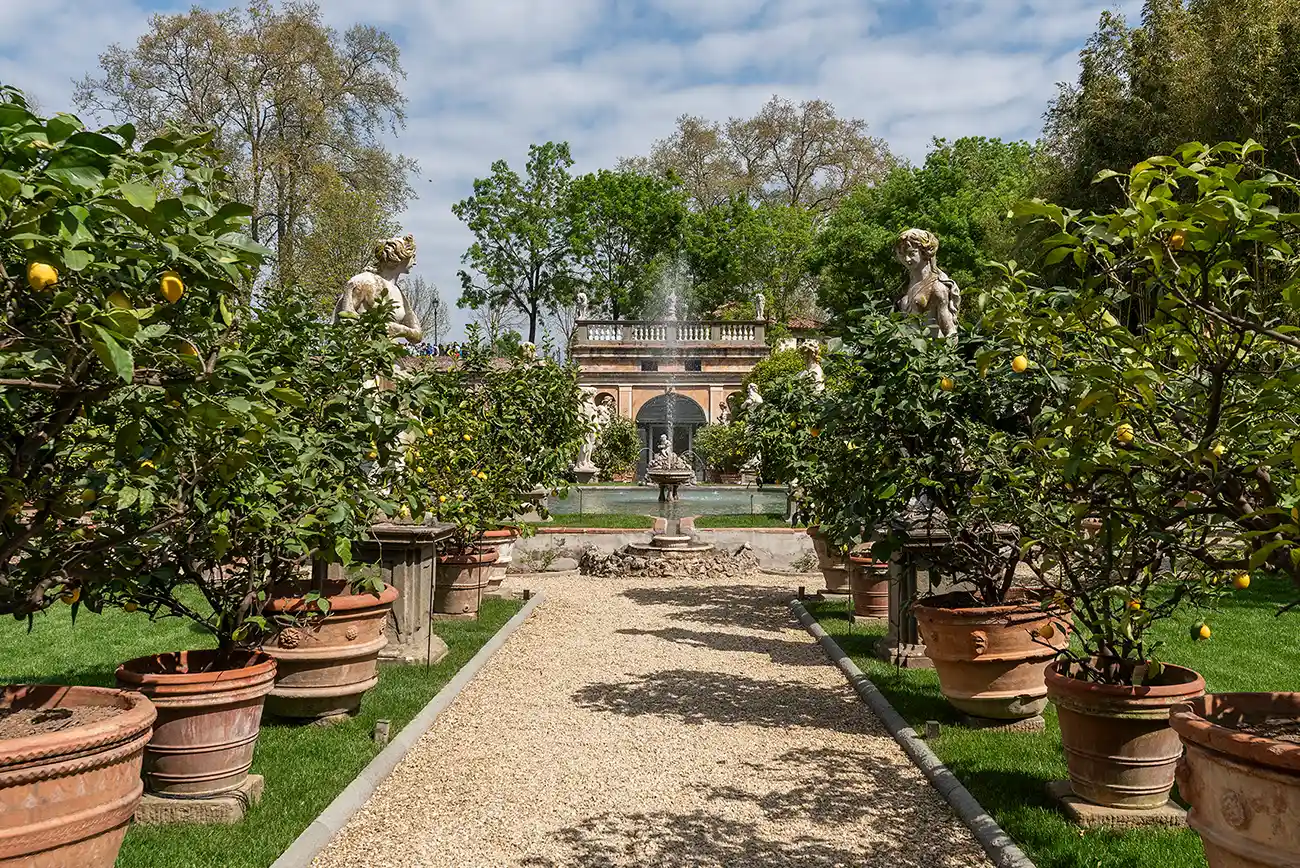
 Vedi progetto
Palazzo Pfanner
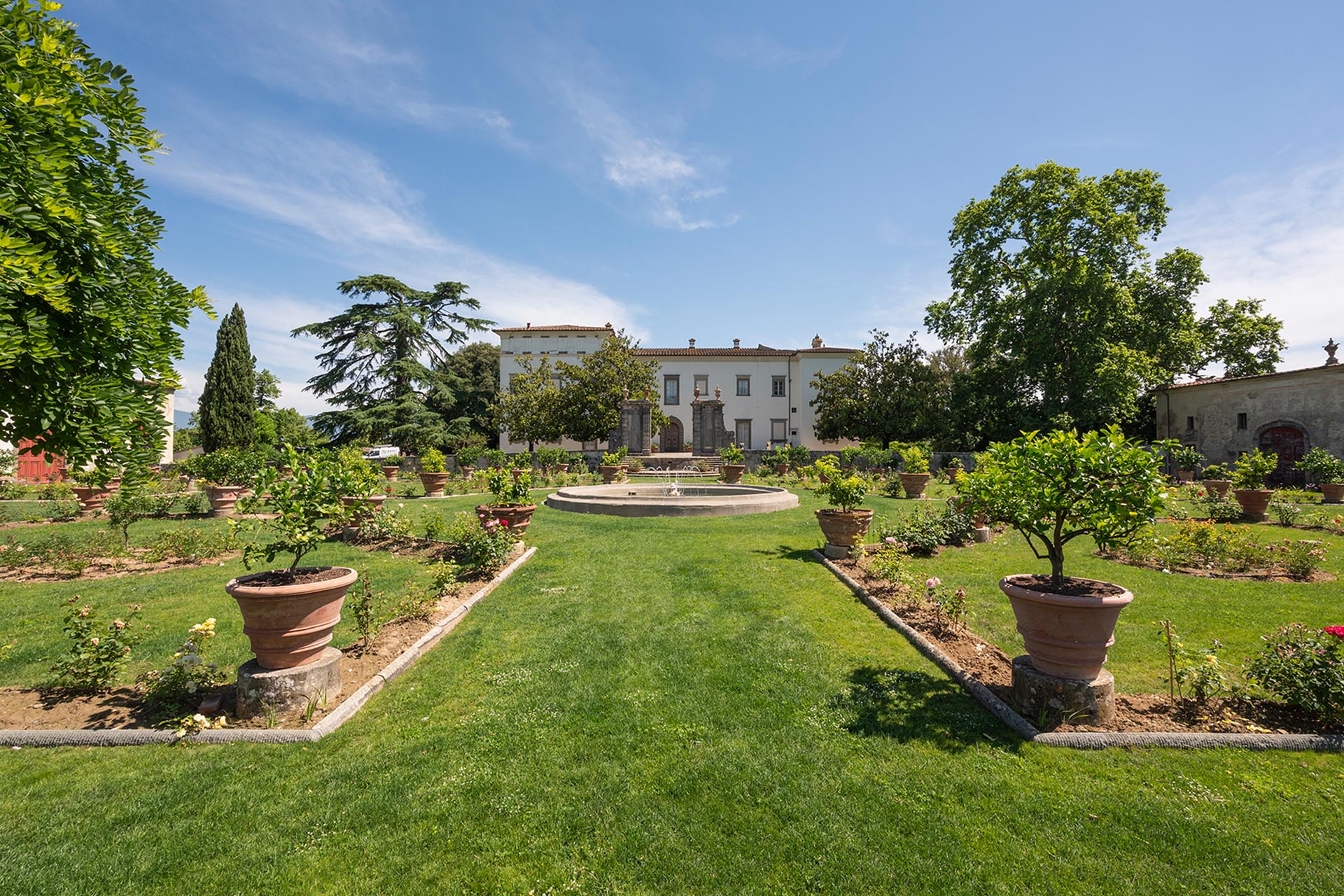 Vedi progetto
Villa La Magia
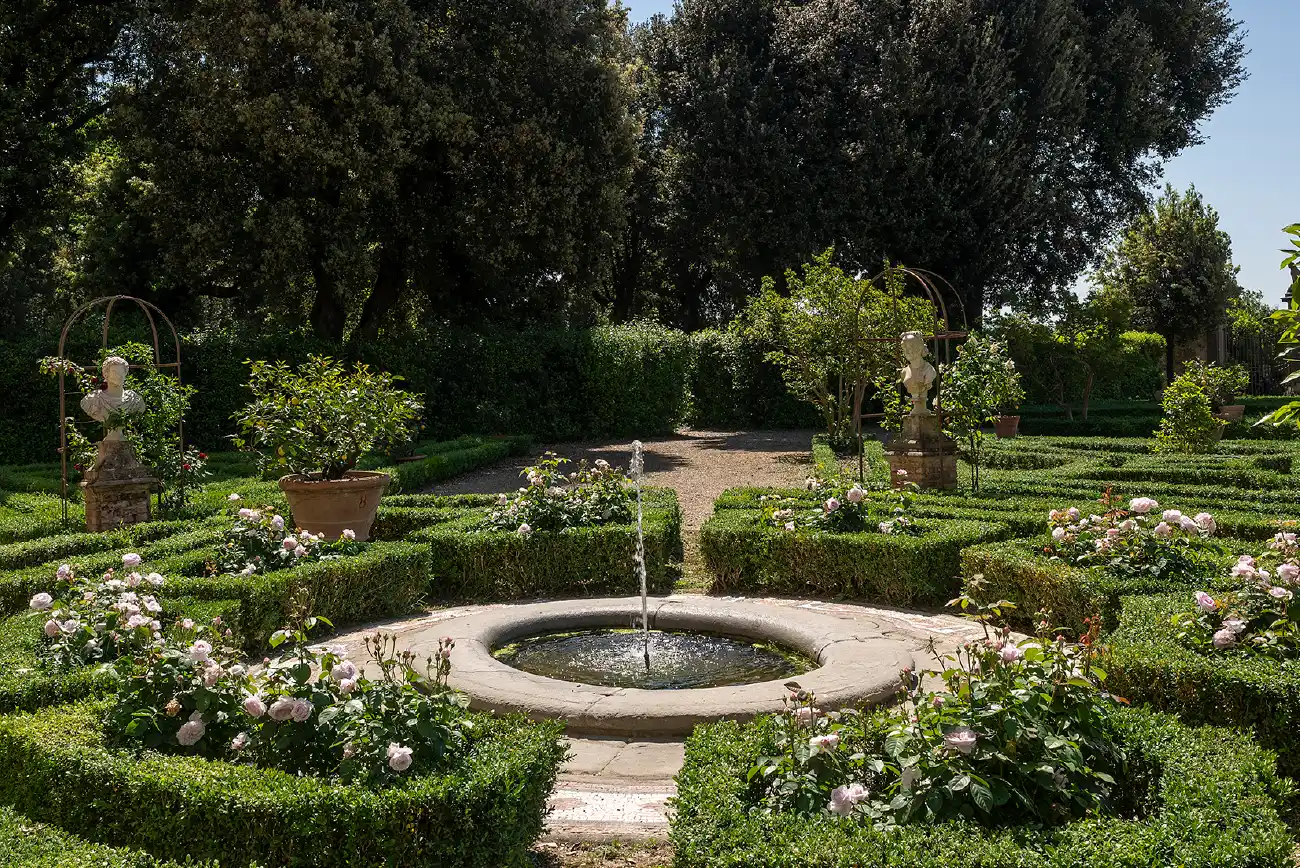 Vedi progetto
Villa Guicciardini Corsi Salviati
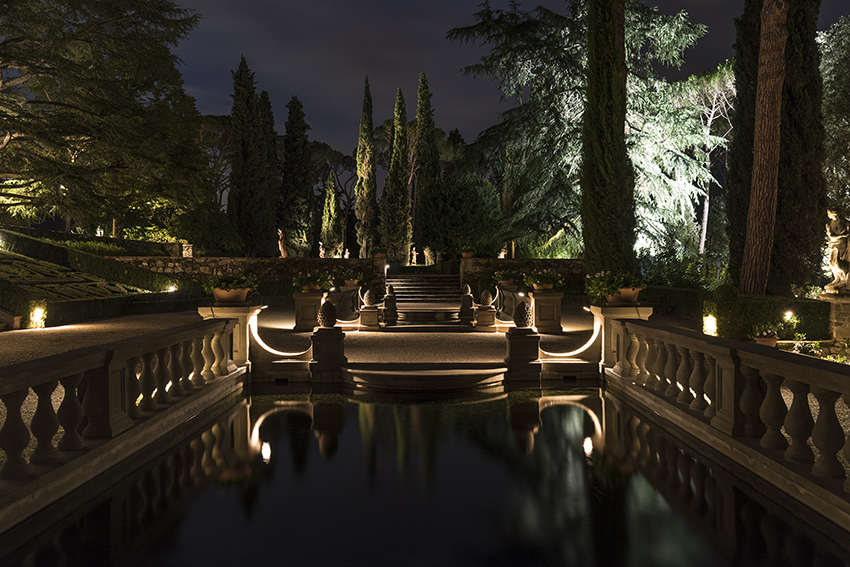 Vedi progetto
Private residence in the Florentine hills
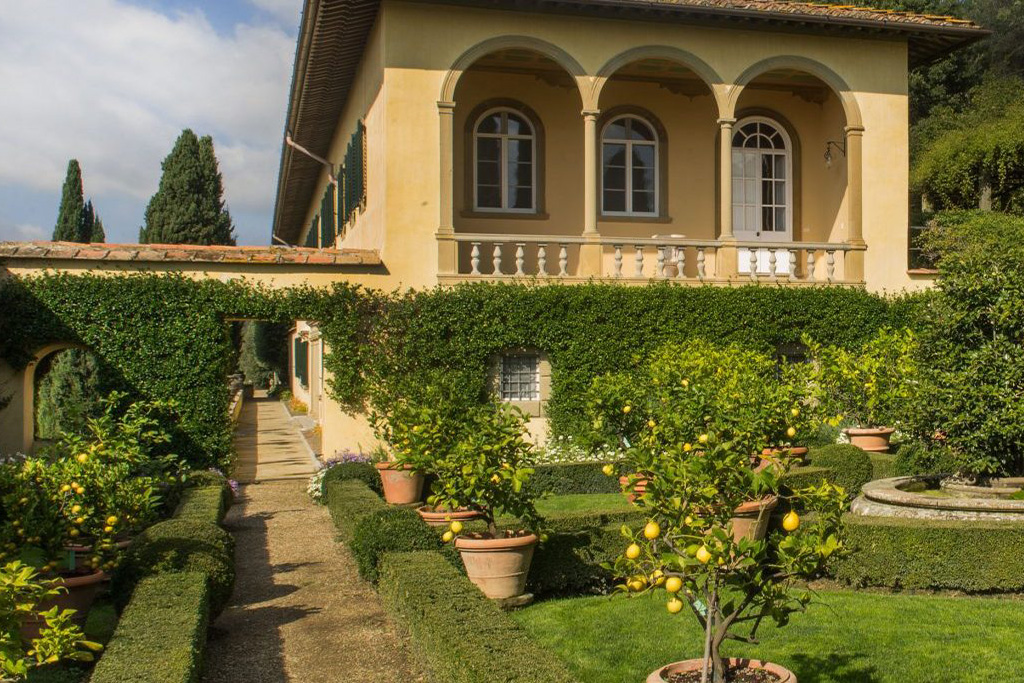 Vedi progetto
Villa Le Balze
Historic Garden Restoration: Preserving the Green Heritage
Historic garden restoration is a highly specialized intervention requiring multidisciplinary skills. It is not simply about recovering a degraded green space, but about bringing to light a living work of art that reflects the culture, aesthetic taste, and cultivation techniques of past eras. Each historic garden tells stories through its green architectures, pathways, fountains, and the botanical species that inhabit it.
The Cultural Value of Period Gardens
Italian historic gardens represent a unique global heritage. From the rigorous geometries of Renaissance gardens in Tuscany to the Romantic 19th-century parks, each period left vegetal testimonies of great value. Conservation-oriented restoration aims to recover the original identity of these spaces, studying historical documents, old maps, engravings, and literary descriptions that allow the reconstruction of their initial appearance.
The preliminary research phase is fundamental: stratigraphic soil analyses to identify traces of disappeared structures, surveys of existing plants to determine their age, and study of botanical species documented in the historical catalogs of the estate. These elements guide the restoration project toward philologically correct solutions that respect the authenticity of the site.
Regulatory and Authorization Aspects in Historic Garden Restoration
The Italian Legal Framework
The restoration of historic gardens in Italy is regulated by the Code of Cultural Heritage and Landscape (Legislative Decree 42/2004), which recognizes gardens and parks of historical and artistic interest as cultural assets subject to protection. This legislation equates historic gardens with monumental buildings, acknowledging their cultural value and the need for specific protection.
Protection constraints may arise from different types of provisions: direct declaration of cultural interest, restrictions for gardens attached to protected buildings, and landscape protection for parks located in protected contexts. Each category entails specific obligations and authorization procedures that owners must comply with.
The Authorization Process for Restoration Interventions
Any restoration work on a protected garden requires authorization from the Archaeology, Fine Arts and Landscape Superintendence with territorial jurisdiction. The request must include detailed technical documentation: a historical report on the garden’s evolution, surveys of the current state with photographic documentation, the project of planned interventions, and an agronomic report on the botanical species to be used.
Restoration of Historic Parks
Historic parks present greater complexity than formal gardens due to their size and variety of environments. A 19th-century English-style park includes groves, clearings, water features, picturesque architectures, and scenic pathways designed to offer continuous visual discoveries. Restoration must recover this spatial narrative, reopening views hidden by overgrown vegetation and reinstating the original landscape sequences.
The management of monumental trees requires advanced tree climbing and structural consolidation techniques. Centuries-old trees with cavities, dangerous branches, or compromised root systems need interventions that ensure their stability without altering their appearance.
Pruning follows criteria different from ordinary maintenance: priority is given to maintaining the acquired natural form, intervening only where safety requires.
Restoration of historic parks also includes the recovery of architectural elements: staircases, balustrades, fountains, small temples, and artificial grottoes, integral parts of the composition.
Caring for Historic Gardens: Training and Technologies
Caring for historic gardens requires specific professional skills that combine historical, botanical, and technical knowledge. The training of specialized gardeners includes the study of Italian and European garden history, recognition of ancient botanical species, traditional pruning and ornamental plant cultivation techniques, and knowledge of historical materials used for pavements and furnishings.
Modern technologies support restoration without compromising authenticity. Underground irrigation systems ensure proper water supply while keeping technical infrastructure invisible. Laser scanner surveys document the existing state with millimetric precision.
Advanced plant diagnostics use non-invasive techniques to assess the health of monumental trees: sonic tomography to detect internal cavities, controlled pull tests to verify root stability, and soil microbiological analyses to optimize fertilization. These tools enable targeted interventions that maximize conservation effectiveness while minimizing risks.
The Sustainable Dimension of Restoration
Contemporary restoration integrates environmental sustainability principles in the management of historic gardens: reducing water consumption, using low-impact plant protection products, and recovering green waste for composting.
Post-restoration maintenance follows rigorous protocols with comparative photographs, pruning logs, and phenological monitoring. Historic garden restoration is not a completed operation but a continuous process of care and attention.
Preserving a historic garden means passing down unique cultural testimonies and offering places of beauty and connection with the roots of the territory.