


Gardens and Garden Design: Complete Guide to Creating a Tailor-Made Green Space
September 2, 2026
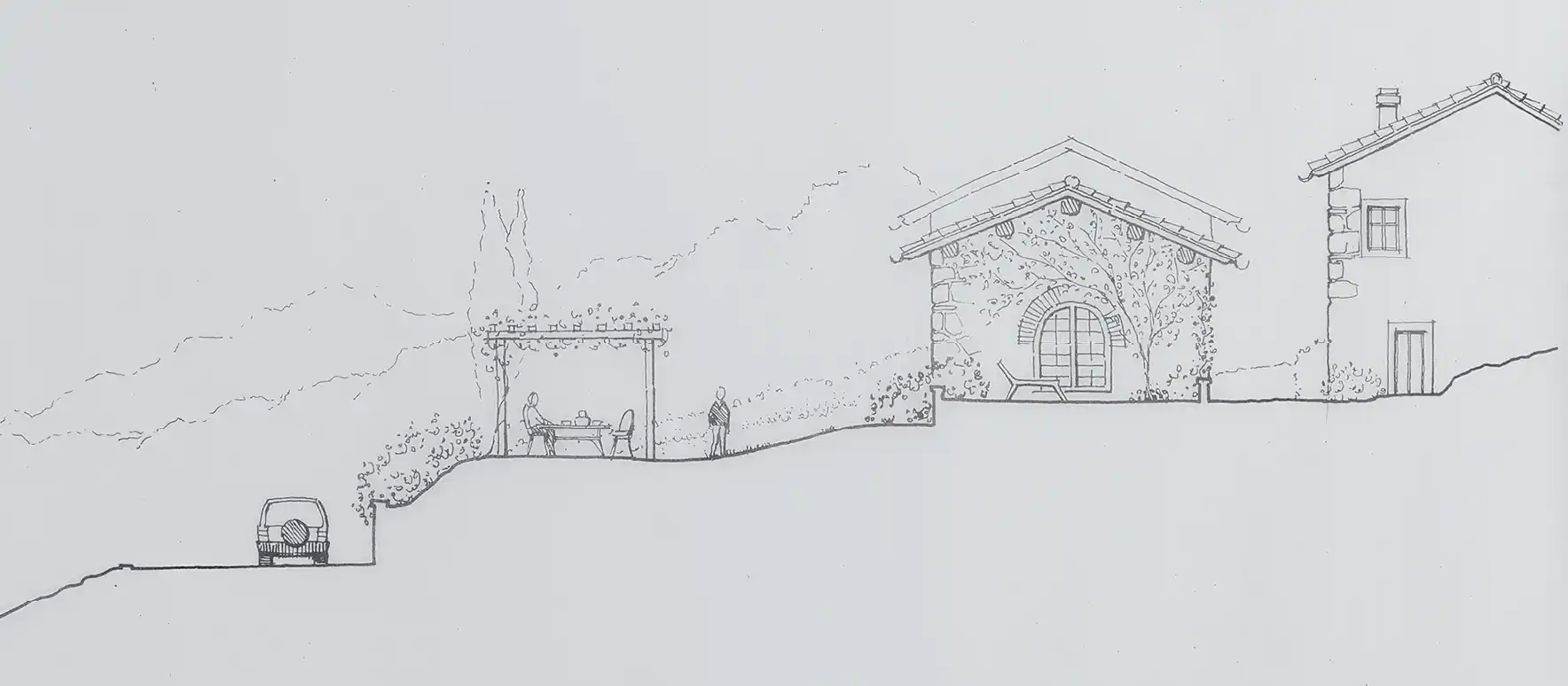
Creating a beautiful and functional garden is never a matter of chance, but the result of a carefully planned process. Behind every harmonious green space is a design that takes into account the location, the climate, the plants, and the people who will experience that environment. Garden design is precisely this: the art of transforming an outdoor area into a balanced, pleasant space to live in and capable of standing the test of time.
Good garden design begins by listening to needs and observing the space, ultimately leading to a concrete project in which every element has a precise function.
Whether it is a small courtyard or a large private park, planning methodically makes it possible to avoid costly mistakes, optimize the budget, and achieve a coherent and long-lasting result. This guide illustrates the fundamental stages, elements, and choices involved in designing a tailor-made garden.
What Does It Mean to Design a Garden
Designing a garden means planning and organizing a green space so that it is beautiful, functional, and suited to its surroundings. It is not simply a matter of choosing plants, but of studying how they combine with pathways, paving, lighting, systems, and furnishings, creating a harmonious environment. The goal of private garden design is to translate the wishes of those who will experience it into a tangible space, while taking into account the characteristics of the location and maintenance requirements. A well-designed garden is one that appears natural and spontaneous, but in reality conceals a careful study of proportions, functions, and details. It is this invisible design that makes the difference between an anonymous space and a truly livable garden.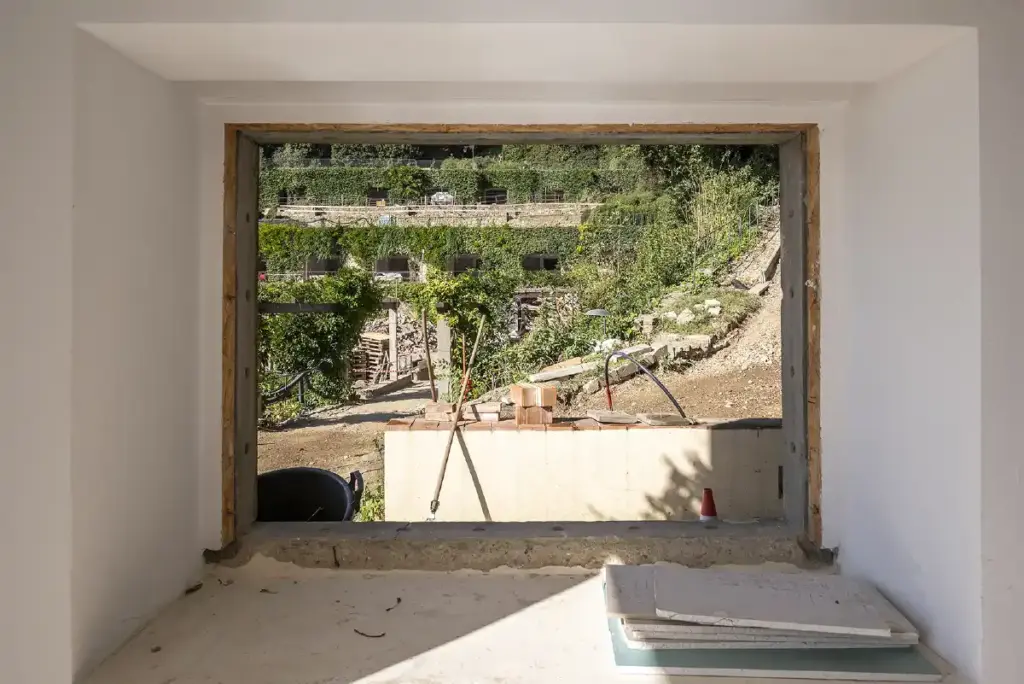
The Stages of Garden Design
A proper garden design follows an orderly process, in which each stage prepares the way for the next.- Site Analysis
- Concept and Guiding Idea
- Detailed Design
- Implementation
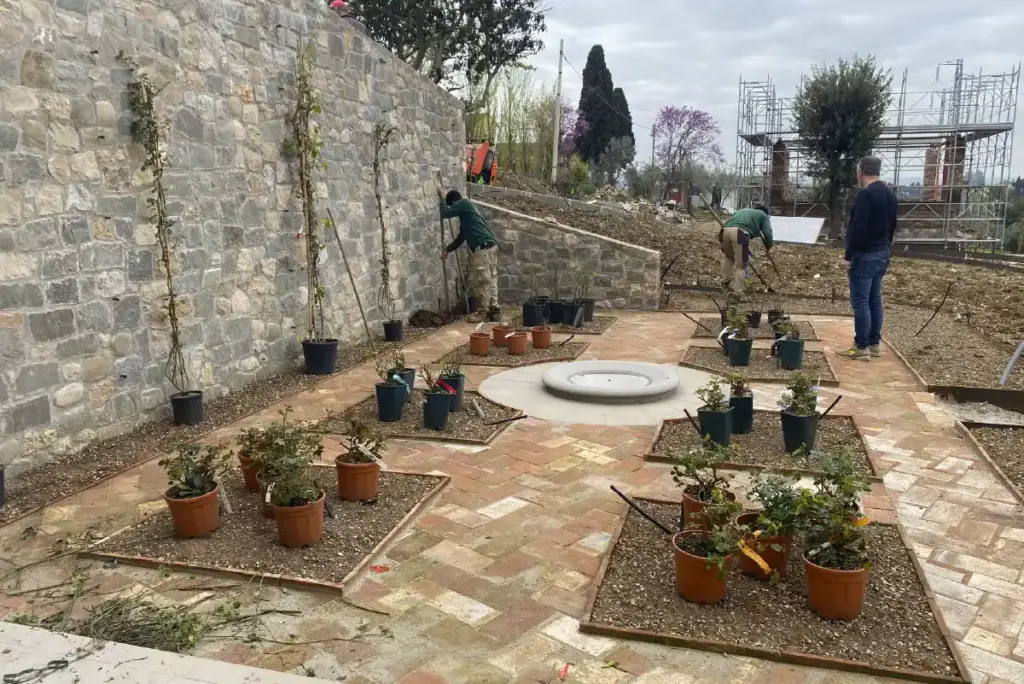
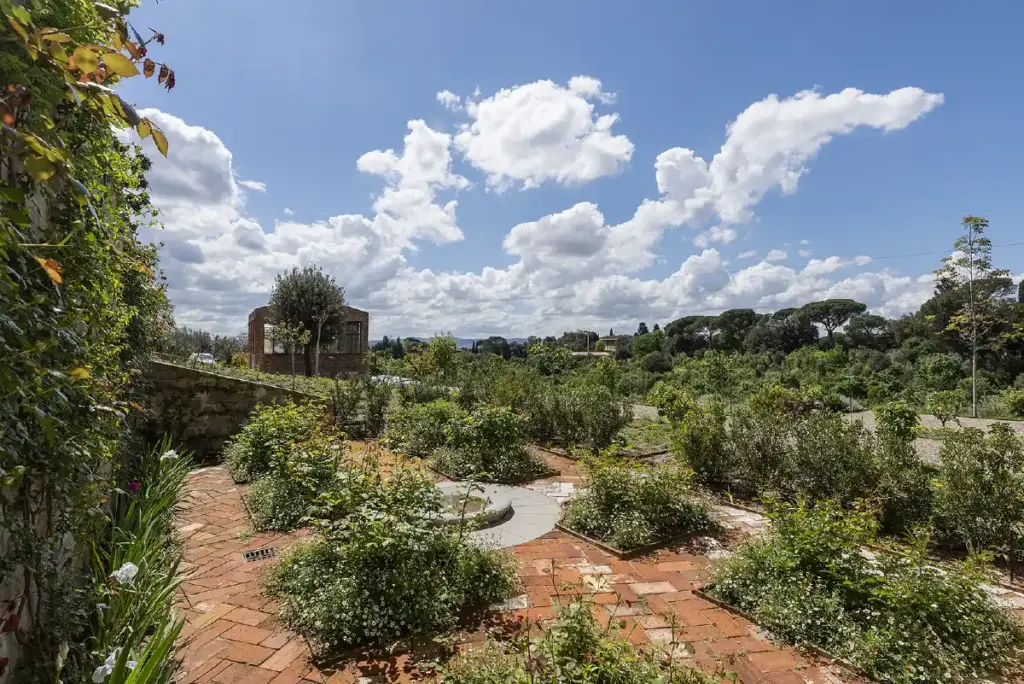
Elements to Consider in Garden Design
A complete green space design is based on the balance between different elements. Plants and blooms define the atmosphere and should be chosen according to the climate and the desired level of maintenance. Pathways and paving guide movement and connect the different areas, while lighting makes the garden enjoyable even in the evening, enhancing its most evocative corners. Other fundamental elements include the irrigation system, which is essential for keeping the greenery healthy with minimal effort, and furnishings, which transform the garden into a true living space. Considering all these aspects from the outset makes it possible to create an environment that is functional and harmonious in every respect.Garden Design Styles
Style is what gives personality to a green space. Modern garden design favors clean lines, precise geometries, and an essential selection of plants and materials. The Mediterranean garden focuses on sun-resistant species, warm colors, and a relaxed atmosphere, ideal for sunny climates. The low-maintenance garden is designed for those who want beauty with minimal maintenance, while the naturalistic style recreates a spontaneous balance with informal blooms and a natural appearance. The choice depends on the available space, the climate, and the amount of time that can be devoted to caring for the greenery.Designing Small Gardens and Large Spaces
Garden design changes according to the size of the space. When designing a small garden, the secret is to make the most of every inch with smart solutions, such as vertical planting with climbing plants, compact species, and multifunctional furnishings, which expand the space both visually and functionally. In large spaces, on the other hand, the challenge is to create different areas while maintaining a sense of unity. Relaxation areas, flowering corners, social spaces, and well-designed pathways help give rhythm to the garden, preventing it from appearing dispersive. In both cases, careful design makes the most of the potential of the available space.DIY Garden Design or Hiring a Professional
Many people wonder whether it is better to design their garden themselves or turn to an expert. DIY design can work for small spaces and simple projects, offering personal satisfaction and initial savings. However, it carries the risk of mistakes in the choice of plants, the arrangement of spaces, and the systems, with potentially high correction costs. Relying on a garden design professional guarantees an overall vision, technical expertise, and a coherent, long-lasting result. It is the most suitable choice for large spaces, complex terrain, or projects involving multiple elements such as swimming pools, lighting, and systems. Expert advice transforms an idea into a solid project, avoiding wasted time and money.A Project Capable of Evolving Over Time
Every garden is born from the encounter between the characteristics of the place, the needs of those who live in it, and the natural evolution of vegetation. Design makes it possible to bring these aspects together, transforming the outdoor space into a coherent, functional environment destined to mature over the years. In Dimensione Verde’s approach, the project takes shape through listening and observing the context, and then develops through landscape, botanical, and technical expertise. The result is not an unchanging image, but a living landscape, capable of changing with the seasons while preserving its identity over time.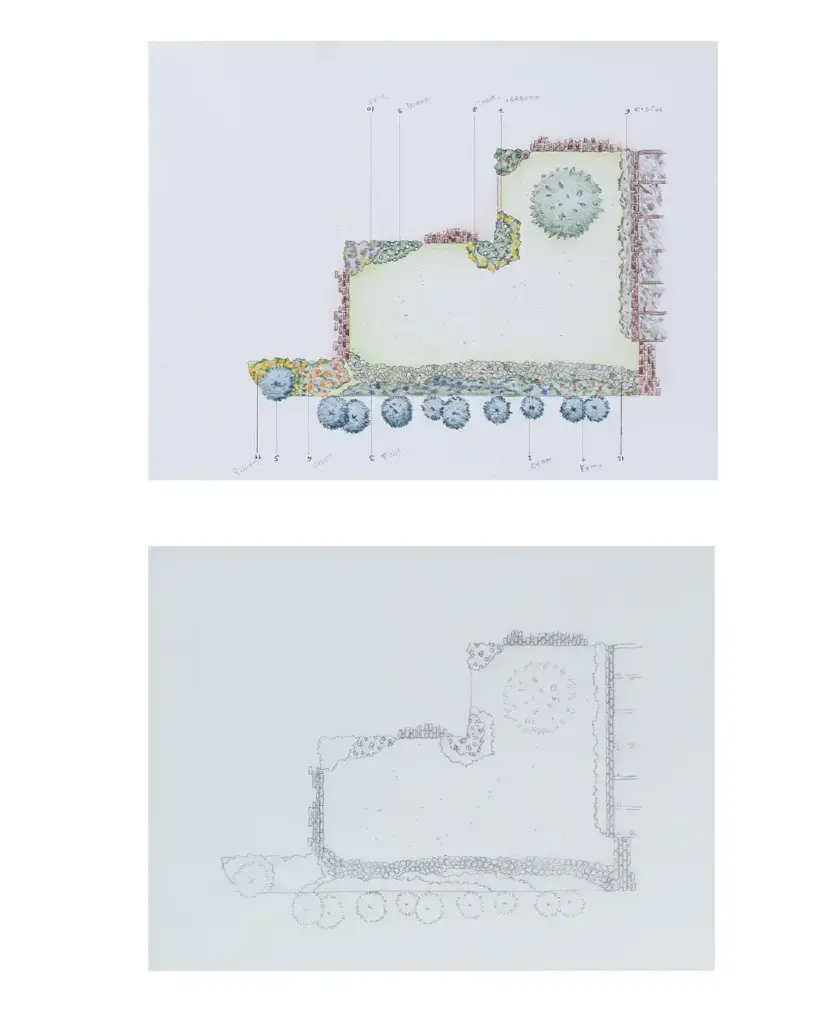
Frequently Asked Questions
How do you design a garden? A garden is designed by starting with an analysis of the space, then defining the style, the division of areas, the plants, pathways, and systems, up to the implementation based on a detailed, tailor-made project. What are the stages of garden design? The main stages are site analysis, concept development, the detailed design with technical drawings, and implementation, during which the project takes shape according to the defined design. How much does garden design cost? The cost depends on the area, the complexity of the project, and the type of assignment, and can be calculated as a lump sum, per square meter, or as a percentage of the value of the works.Article Summary Table
| Aspect | Detail |
|---|---|
| What it means | Designing and organizing a beautiful, functional, tailor-made green space |
| Design stages | Site analysis, concept, detailed design, implementation |
| Elements to consider | Plants, pathways, lighting, irrigation, furnishings |
| Most requested styles | Modern, Mediterranean, low maintenance, naturalistic |
| Small spaces | Vertical planting, compact species, multifunctional furnishings |
| Large spaces | Distinct areas with visual unity and well-designed pathways |
| DIY vs professional | DIY for simple projects, professional for complex projects |