


Garden Design: How to Create Beautiful, Functional, and Lasting Green Spaces
Useful Guidelines for Good Landscape Design
February 4, 2026

The garden design is not just about aesthetics, but about balancing nature, functionality, and lifestyle. A well-designed garden enhances the quality of outdoor spaces, increases property value, and creates an environment for relaxing, socializing, and enjoying greenery every day. Today, designing a garden means combining landscape planning, plant knowledge, water management, and sustainable choices, adapting everything to the real needs of its users.
Design Garden Planning: Where to Start
Design garden planning always begins with a space analysis. Size, sun exposure, slopes, soil type, and microclimate determine future decisions. Without this preliminary phase, even the most beautiful garden risks failing over time.
An effective project considers the functions: relaxation area, dining zone, pathways, decorative green spaces, and possibly a vegetable garden or play area. Garden design originates from daily life, not just aesthetic taste. A well-designed garden is intuitive to use, easy to maintain, and consistent with the building’s architecture.
Garden Design and Space Organization
In garden design, space distribution is essential. Creating well-defined zones brings order even to large or irregular surfaces. Pathways guide movement, plant screens provide privacy, while focal points attract the eye and give character to the whole.
A common mistake is filling every available space. In reality, empty space is a design element just as much as filled space. Alternating green areas, materials, and volumes makes the garden more readable and harmonious.
Modern Design Gardens: Main Features
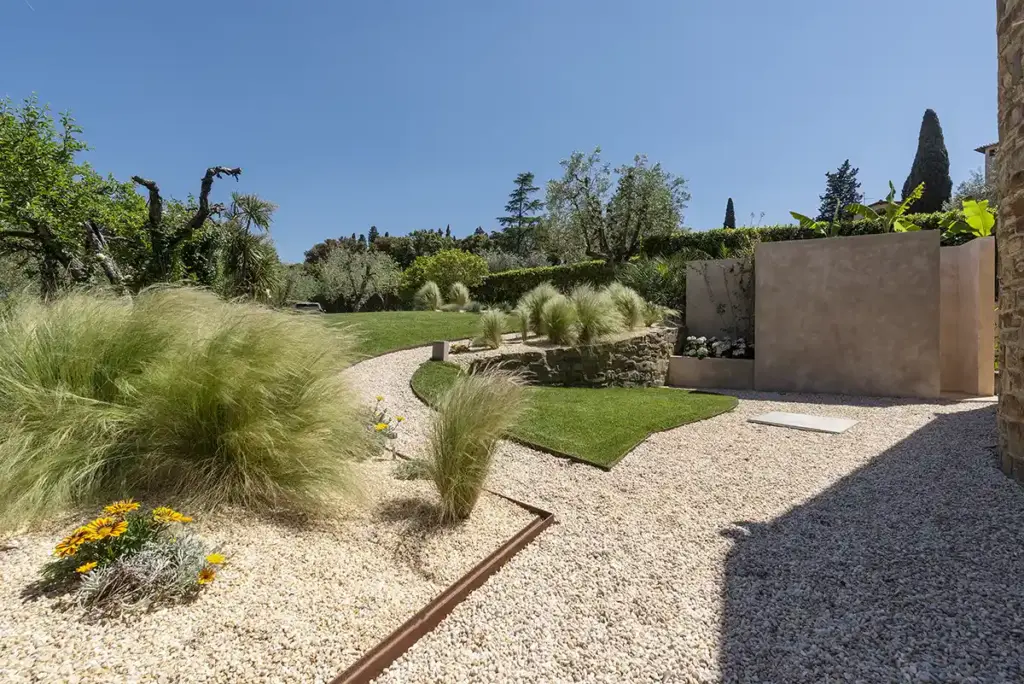
Modern design gardens are characterized by clean lines, simple geometries, and a careful choice of materials. The goal is to create an elegant yet functional environment, where every element has a specific role.
In modern garden design, the focus is on:
- essential shapes
- controlled color palettes
- structural and evergreen plants
- contrasts between natural surfaces and technical materials
Vegetation is never random, but organized in repeated masses that provide rhythm and visual continuity throughout the year.
Plant Selection in Garden Design
Selecting plants is one of the most delicate steps in garden design. Plants are chosen not only for their appearance but especially based on exposure, climate, and required maintenance.
A good design alternates structural plants, shrubs, perennials, and grasses, creating seasonal interest without complicating care. Flowering should be distributed throughout the year, avoiding the typical “beautiful for two months” effect.
In modern and sustainable garden design, the preference is for resilient plants that can adapt to the context, reducing water use and corrective interventions.
Small Garden Design: Smart Solutions
Small garden design requires an even more strategic approach. When space is limited, every choice must be functional and consistent.
In a small garden, the following work well:
- a few repeated plant species
- vertically growing plants
- clear pathways
- a single well-defined focal point
Proper use of proportions and heights visually enlarges the space. Lighting also plays a key role in making the garden usable and welcoming during the evening hours.
Garden and Terrace Design: Continuity Between Indoor and Outdoor
Garden and terrace design aims to create visual and functional continuity with indoor spaces. Materials, colors, and geometries should harmonize with the house, turning terraces and gardens into true extensions of the home.
In garden design for terraces or elevated spaces, the choice of containers, material weight, and water management become central aspects. Here too, fewer elements, well-designed, lead to a more elegant and lasting result.
Materials and Surfaces in Garden Design
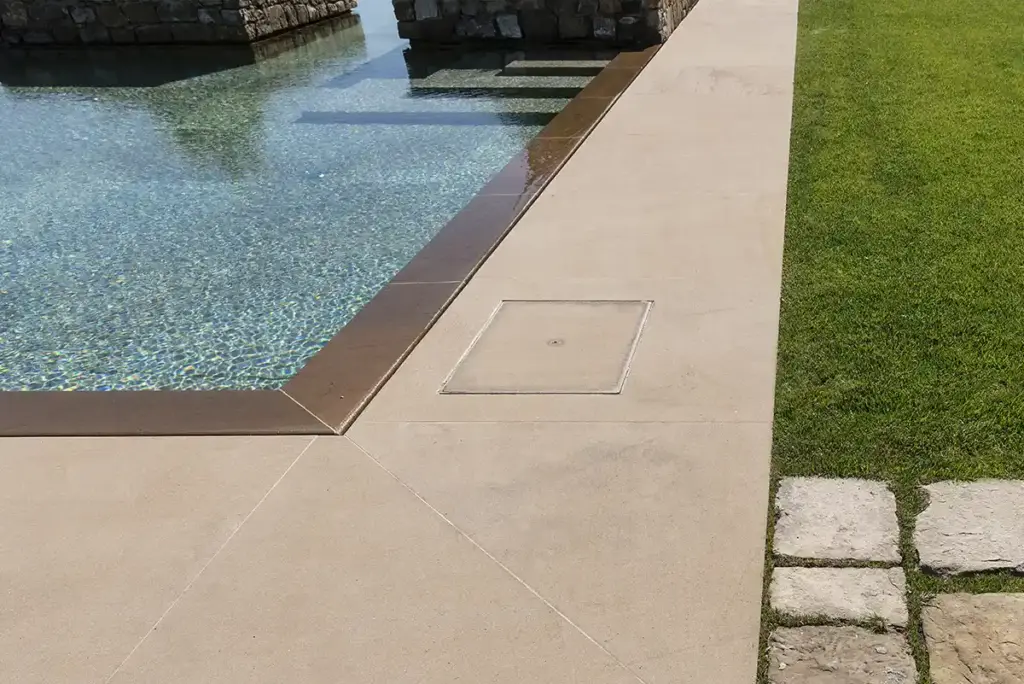
Materials define the character of a project. Stone, wood, permeable and stabilized surfaces should be chosen not only for aesthetics but also for durability and maintenance.
In contemporary garden design, consistency is important: using a few materials repeatedly helps create visual order and simplifies long-term management.
Water Management and Sustainability
A well-designed garden is also efficient. In modern garden design, water management is central: targeted irrigation, mulching, and proper drainage reduce waste and prevent plant problems.
Integrating sustainable solutions does not mean sacrificing aesthetics, but designing consciously by adapting the garden to its climatic and environmental context.
Lighting in Garden Design
Lighting enhances the garden even at night. In garden design, light is used to guide pathways, create atmosphere, and highlight specific elements such as plants, green walls, or architectural details.
Good lighting is never excessive: a few well-placed light points are more effective than a uniform, characterless distribution.
Common Mistakes in Garden Design
Many gardens fail because they were not truly designed. The most common mistakes in garden design include:
- choosing plants without considering exposure and climate
- lack of a structured plant layout
- too many different materials
- underestimating maintenance
Avoiding these mistakes means investing in a clear and coherent project from the start.
Garden Design in Florence: Who to Turn To
When it comes to garden design in Florence, local experience makes a difference. Designing a green space in a historical, climatic, and landscape context like Florence requires cross-disciplinary skills: knowledge of plant species suited to the local climate, aesthetic sensitivity in harmony with architecture, attention to sustainability, and the ability to turn practical needs into valuable solutions.
In this context, Atelier Dimensione Verde represents a reference point for those seeking professionalism, design vision, and extensive experience in designing modern gardens.
Their approach is distinguished by attention to detail, the ability to interpret space, and the creation of tailor-made projects designed to last over time and enhance every context, from private gardens to terraces and complex green spaces.
For those looking for a design that combines aesthetics, functionality, and respect for the landscape, relying on specialized professionals like Atelier Dimensione Verde means investing in a result that is visually appealing, coherent with the landscape, and highly customized.
FAQ on Garden Design
What is garden design?
Garden design is the planning of green spaces, considering aesthetics, functionality, plants, materials, and sustainability to create harmonious and livable environments.
How important is garden planning?
Planning is essential because it prevents costly mistakes, improves the garden’s longevity, and ensures a result aligned with the user’s needs.
Is garden design suitable for small spaces?
Yes, small garden design allows even limited areas to be enhanced through smart and proportionate solutions.
What is the difference between a traditional and a modern garden?
Modern gardens focus on simplicity, order, and contemporary materials, while traditional gardens follow more decorative and formal patterns.
Is it possible to design gardens and terraces together?
Yes, garden and terrace design aims to create continuity between indoor and outdoor spaces, enhancing the overall livability of the home.
References – Academic and Further Reading
- AIAPP – Italian Association of Landscape Architecture – https://www.aiapp.net
- AIPV – Italian Association of Green Professionals – https://aipv.org
- IFLA – International Federation of Landscape Architects – https://www.iflaonline.org
- Politecnico di Milano – Landscape Research and Documentation – https://www.parid.polimi.it/linkragionati/associazioniedorganismiprofessionali.html
Summary Table
| Topic | Key Content |
|---|---|
| Garden Design | Complete planning of functional and aesthetic green spaces |
| Design Garden Planning | Analysis of space, functions, plants, and materials |
| Modern Garden Design | Clean lines, simple geometries, and structural plants |
| Small Garden Design | Smart solutions for limited spaces |
| Garden and Terrace Design | Continuity between indoor and outdoor spaces |
| Sustainability | Water management, climate-appropriate plants, and reduced maintenance |